How to Cure and Boil Mopani Wood to Stop Tannin Bleed
Why Mopani Wood Releases So Many Tannins
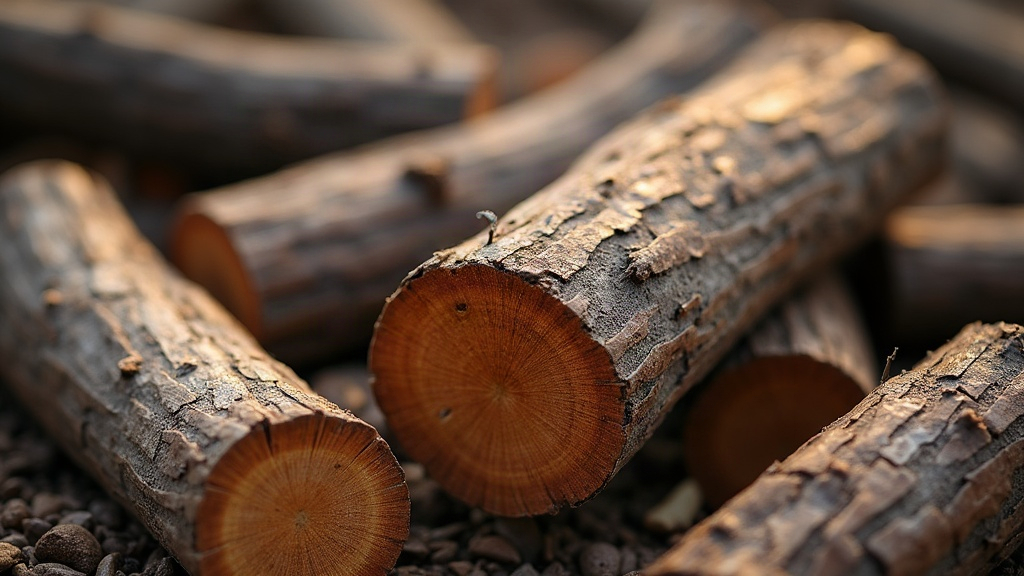
Tannins are natural compounds stored inside wood as a defense against rot and pests. Mopani is an African hardwood that’s remarkably dense, dense enough that fresh pieces often sink the moment you drop them in water, and that density packs a lot of tannin and resin into a small volume that can help trigger spawning in pygmy corydoras.
When those tannins leach out, three things happen at once:
- The water stains. You get that yellow, amber, sometimes full “blackwater” tea look.
- pH drops. Tannins release weak organic acids, and a fast release can shock fish that aren’t used to swings.
- Clarity suffers. Not great news if you’re going for a crisp, clean planted-tank aesthetic.
A little tannin isn’t a problem, and plenty of soft-water species actually thrive with it in the mix. But for most community tanks and planted setups, it’s a cosmetic and stability headache worth handling before the wood ever touches your display.
Boiling Mopani Wood: The Fastest Way to Remove Tannins
Boiling is the quickest way to force tannins out. Heat opens the wood’s pores, loosens trapped resins, and kills off any mold spores, bacteria, or hitchhiking critters that came along with the piece.
What You’ll Need
- A large stock pot you’re fine dedicating to aquarium use going forward
- A heat source (stovetop or a portable burner works fine)
- Clean, dechlorinated water
- Tongs or heat-resistant gloves
- A colander or something heavy to keep the wood fully submerged
Step-by-Step Boiling Process
- Rinse and scrub the wood under running water to knock off loose dirt, bark flecks, and surface grime.
- Submerge it fully in the pot and bring the water to a rolling boil.
- Boil for 30 to 60 minutes, depending on thickness. A thin branch might be done in half an hour; a thick, gnarled root chunk needs the full hour, sometimes more.
- Drain the dark water. That murky brown liquid is exactly what you’re trying to get rid of.
- Refill and repeat. Large pieces often need 3 to 5 full cycles before they’re anywhere close to done.
- Stop once the water stays clear, or only lightly amber, after a complete boil.
Quick gut check: if the water still looks like strong black tea after a full hour of boiling, don’t get discouraged, that’s normal for dense mopani. It just needs another round.
Safety Precautions While Boiling
- Don’t walk away from a boiling pot. Ever.
- Work in a ventilated space; the steam carries a strong, woody smell that lingers.
- Let the wood cool on its own before you handle it. Pulling it straight from boiling water into cold air can crack it.
- Boiling softens the outer surface a bit, so scrub gently once it’s cooled rather than attacking it with a stiff brush.
Curing Mopani Wood: The Patient Method
Curing, basically soaking the wood for days or weeks, takes longer than boiling but it’s gentler, and it’s really your only option for large or oddly shaped pieces that won’t fit in any pot you own.
How to Cure Mopani Wood
- Find a bucket, tub, or bin roomy enough to submerge the piece completely.
- Fill with dechlorinated water and weigh the wood down so it can’t float up.
- Swap the water every 24 to 48 hours as it darkens.
- Keep going for 1 to 4 weeks, until the water stays reasonably clear between changes.
There’s a popular shortcut some hobbyists swear by: the “toilet tank” trick. Smaller pieces go in a container that sits under a slow drip, or even inside a toilet tank where water cycles constantly. It works, but only if the water source itself is clean and untreated, otherwise you’re just adding a new problem.
How to Know Your Mopani Wood Is Ready
Skip the guesswork and run a simple test before you scape:
- Fill a clean bucket with clear water, drop in the boiled or cured wood, and let it soak overnight.
- Check it the next morning. Crystal clear, or maybe a faint straw tint, means it’s ready. Still tea-colored? Back to boiling or curing.
- Repeat this test after every cycle until you’re satisfied with the result.
For extra peace of mind, toss a Purigen pouch or some activated carbon into your filter for the first few weeks after scaping. It’ll mop up any leftover tannins your pre-treatment didn’t catch.
Common Mistakes That Keep Tannins Coming Back
- Skipping the soak test. Wood can look perfectly clean on the outside and still be loaded with tannins underneath.
- Boiling too briefly. A single 20-minute boil barely dents dense mopani. It needs sustained heat over multiple cycles.
- Not changing the curing water. If you leave it sitting, you’re basically re-steeping the wood in its own tannins.
- Rushing the scape. Drop untreated mopani into a stocked tank and you’re signing up for weeks of amber water and a wandering pH.
Conclusion
Mopani rewards patience, plain and simple. Run it through repeated 30 to 60 minute boils, or cure it in daily-refreshed water for a few weeks, and you’ll knock out most of the tannin bleed before a single fish or plant goes in. Test the water, polish things off with Purigen if you need to, and you get to keep that dramatic mopani look without staring at tea-colored water for the next two months.