Why Red Root Floaters Lose Their Red and Turn Green
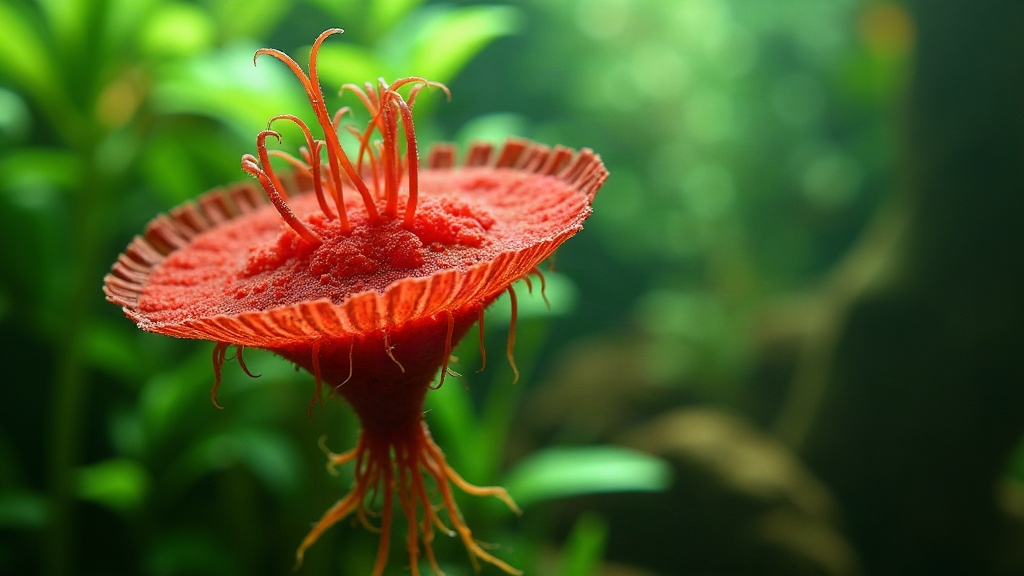
Red Root Floaters (Phyllanthus fluitans) get a lot of attention for those vivid red-orange leaves, but plenty of aquarium keepers watch that color slide into a flat, dull green, even when the lighting seems perfectly reasonable. Here’s the thing: the red pigment isn’t decorative. It’s a stress response. The plant makes it to protect itself from too much light energy, and when the light isn’t strong enough (or the nutrients aren’t lined up right), it just drops the red and goes back to plain green, which costs it less energy to maintain.
The Real Reason Behind the Color Change
Red Root Floaters don’t make anthocyanin (the red pigment) for show. Anthocyanins work like a built-in sunscreen, shielding chlorophyll from damage when light intensity gets high. So when light drops, even a little, the plant doesn’t need that shield anymore. It stops spending energy on red pigment and puts that energy into chlorophyll instead, and chlorophyll is green.
This is where “moderate” light becomes misleading. What looks bright to your eyes might sit well below what these floaters actually need. Since they float right at the surface, with no water column softening the intensity, they need genuinely strong, direct light, stronger than what most tanks provide for plants rooted deeper down.
Common Causes of Green Reversion
1. Insufficient Light Intensity
This is cause number one, hands down. Red Root Floaters want high-output lighting sitting close to the surface, ideally in the 6500K-10000K range, the kind of LED rated for high-tech planted setups.
- Standard low-to-moderate aquarium lights (under 30-40 PAR at the surface) usually fall short
- Floating plants don’t get the benefit of light refracting through water the way submerged plants do, so surface intensity matters far more than the tank’s average PAR reading
2. Light Spectrum Mismatch
Bright light alone won’t cut it if the spectrum is off. Without enough blue and red wavelengths, red coloration just doesn’t trigger, no matter how many lumens you throw at it. Budget fixtures heavy on green and yellow output are notorious for this.
3. Nutrient Imbalances
Color intensity also depends on what’s in the water:
- Low potassium mutes red tones noticeably
- Excess nitrogen pushes growth toward lush green leaves instead of red pigmentation
- Iron deficiency can leave leaves pale or yellowish, which people often mistake for “greening” when it’s actually something else entirely
4. Shading from Other Floaters or Tall Plants
Duckweed, Salvinia, tall stem plants poking above the surface, any of these can quietly steal light from your Red Root Floaters without you noticing. A thin layer of duckweed is enough to cut off the intensity they need.
5. Recent Acclimation or Propagation
New plantlets, or floaters you just moved into the tank, almost always come up green first. That’s completely normal. Give it 1-3 weeks for the red to develop as the plant adjusts to your lighting.
How to Bring the Red Color Back
- Crank up the light intensity. Bump the wattage or PAR output, or lower the fixture closer to the surface (staying within whatever limits the manufacturer sets).
- Stretch the photoperiod a bit. 8-10 hours of strong light helps, though intensity still matters more than the clock.
- Rebalance the nutrients. Dose a liquid fert with potassium and micronutrients, including chelated iron, and go easy on nitrogen-heavy formulas.
- Clear out surface competition. Thin the duckweed, pull back the Salvinia, trim stem plants that are shading the floaters.
- Give it time. Don’t expect overnight results. Two to three weeks after fixing light and nutrients, you should start seeing real color come back.
Quick Diagnostic Checklist
- Is your light actually rated for high-tech planted tanks, not just “fish-safe”?
- Is it sitting within 6-12 inches of the water surface?
- Are other floaters blocking direct light from reaching them?
- Have you dosed potassium and iron lately?
- Are these new plants? (If so, just wait.)
Conclusion
Green Red Root Floaters under “moderate” light don’t mean disease, they mean the plant is conserving energy because the light isn’t intense enough. Fix the light strength and spectrum, dial in potassium and iron, clear away anything shading the surface, and the red comes back. Give it a few weeks and most floaters snap right back to that vibrant red-orange color people buy them for in the first place.