Why Cryptocoryne Leaves Disintegrate After Trimming
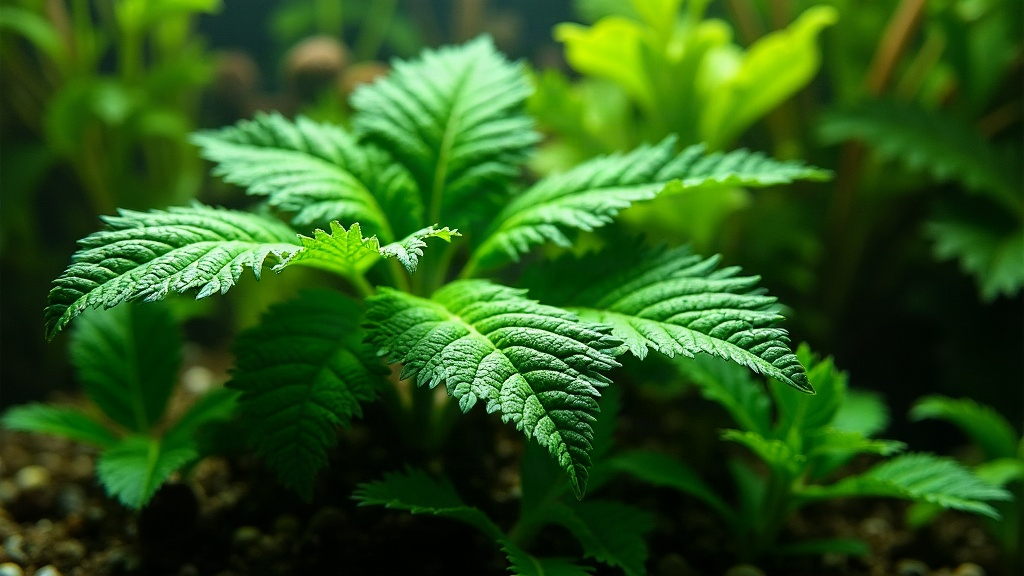
If your Cryptocoryne leaves have gone translucent, turned to mush, or dissolved entirely a day or two after you trimmed a mature plant, you’re looking at the infamous “crypt melt.” Don’t panic. It’s a stress response, not a disease. Trimming disrupts the plant’s root-to-leaf communication, and the plant responds by shedding tissue it can no longer support. The good news is that melt is almost always recoverable, and once you understand why it happens, you can avoid triggering it again.
What Is “Crypt Melt” Exactly?
Cryptocoryne species, think C. wendtii, C. parva, C. balansae, are famous in the aquarium hobby for shedding their entire leaf structure the moment they’re stressed. Most aquatic plants wilt one leaf at a time. Crypts don’t bother with that. A leaf can go translucent and dissolve within 24 to 48 hours, and in bad cases the whole plant ends up as bare stems poking out of the substrate.
Why so dramatic? These plants evolved in Southeast Asian streams where water levels rise and fall constantly. When conditions shift abruptly, a crypt’s survival strategy is to cut its losses: sacrifice the leaves, hoard energy in the rhizome and roots, then push out new growth once things settle down.
Why Trimming Triggers Melt
Trimming looks like a simple, low-risk maintenance task. For a Cryptocoryne, it can read as a full-blown emergency. Here’s why.
1. Disrupted Chemical Signaling
Mature crypt leaves share a common vascular and hormonal network. Snip several leaves in one go and you interrupt the flow of auxins and nutrients across the whole plant. The plant reads this as a sign that conditions have changed, similar to what happens during a natural die-back in the wild.
2. Sudden Light Exposure Changes
Big, shading leaves often protect the crown and younger leaves from direct light. Remove them all at once and those inner leaves suddenly get hit with far more intensity than they’re adapted to. That shock alone can accelerate decay in tissue that was otherwise fine.
3. Water Chemistry Sensitivity
Crypts are notoriously twitchy about:
- CO2 levels
- Water hardness (GH/KH)
- Nitrate and ammonia spikes from cut tissue
Even a light trim releases cellular fluid into the water. In a 10-gallon tank with weak flow, that’s enough to shift local chemistry just enough to stress everything nearby. In a well-circulated 55-gallon, you might barely notice it.
4. Root Disturbance During Trimming
Ever gone to snip a leaf and accidentally tugged the base, or brushed the substrate while reaching in? That small tear in the root hairs can be enough on its own. Crypts lean heavily on root uptake for nutrition, so root damage alone, with no leaf cutting at all, can set off a full melt.
How to Tell Melt Apart From a Dying Plant
| Sign | Melt (Recoverable) | Disease/Death (Concerning) |
|---|---|---|
| Leaf texture | Turns translucent, slimy | Turns black, brittle |
| Speed | Happens within days | Gradual over weeks |
| Rhizome/crown | Stays firm, white/green | Turns soft, brown, or mushy |
| New growth | Appears within 2-4 weeks | None appears |
Squeeze the rhizome gently between two fingers. If it’s still firm and pale, green or white rather than mushy brown, the plant is almost certainly going to bounce back.
How to Minimize Melt When Trimming
- Trim gradually. Take off no more than 20-30% of the leaf mass at a time, and wait a week or two before the next round.
- Cut at the base, not mid-leaf. A clean cut right at the crown limits the open wound and keeps ragged edges from rotting into the healthy part of the plant.
- Leave the substrate alone. Steady the base gently with two fingers and use sharp, thin scissors rather than pulling leaves off by hand.
- Change one thing at a time. Don’t trim in the same week you do a big water change, bump up your fertilizer dosing, or mess with CO2.
- Boost flow around the plant. Better circulation carries away the organic compounds released during trimming before they pool up and cause trouble.
- Pull melting leaves out fast. Rotting tissue dumps ammonia into the tank and can kick off an algae bloom on top of everything else.
What to Do After Melt Occurs
- Leave the rhizome and roots exactly where they are, don’t dig them up to “check.”
- Keep lighting steady, 6-8 hours a day at moderate intensity, and don’t fiddle with CO2 or fertilizer dosing during recovery.
- Give it time. New growth usually shows up within 2 to 4 weeks, though low-tech, no-CO2 tanks can take longer.
- Resist the urge to re-trim or replant while it’s recovering. Every extra disturbance just resets the clock.
Conclusion
A crypt losing all its leaves right after a trim looks like death, but it’s really just the plant’s built-in survival reflex kicking in. As long as the rhizome stays firm, you’re almost certainly fine. Trim in small batches, keep your water parameters boring and predictable for a week or two afterward, and keep your hands out of the substrate. When melt happens anyway (and sometimes it will, even if you do everything right), the fix isn’t more intervention. It’s patience.