Why Cherry Shrimp Hide for Days After a Large Water Change
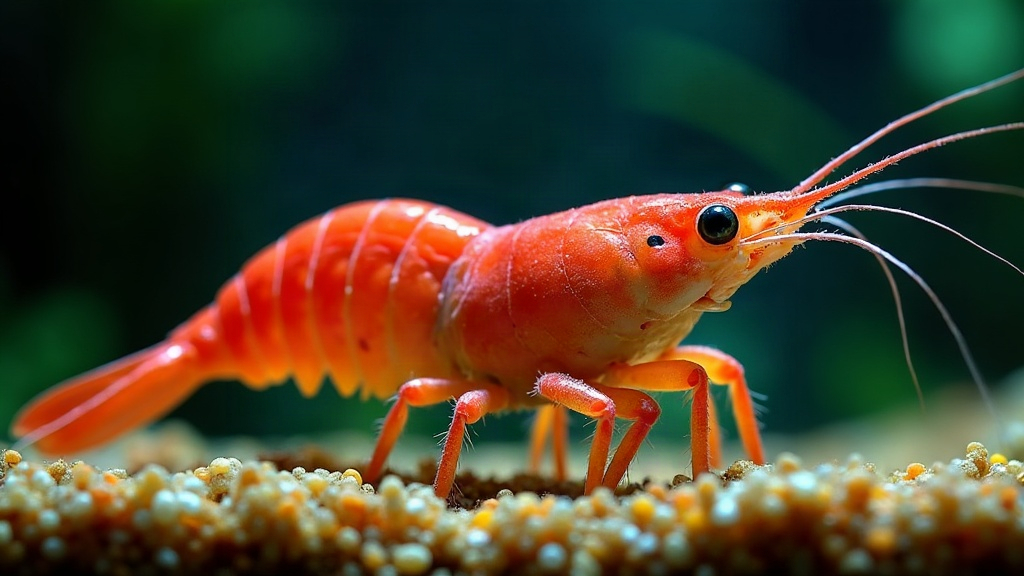
If your cherry shrimp vanished into caves, moss, and substrate for two or three days right after a big water change, chances are you’re dealing with a sudden shift in water chemistry (pH, GH/KH, or temperature) combined with the shrimp’s natural instinct to hole up while their bodies catch up. The good news: this is almost always recoverable. The useful news: once you understand why it happens, you can skip the drama entirely on your next maintenance day.
Why a Big Water Change Spooks Cherry Shrimp
Cherry shrimp (Neocaridina davidi) have a reputation for being tough, and they are, but they’re also weirdly sensitive to fast changes in water parameters. Their gills and exoskeleton sit in direct contact with whatever’s floating around in the water column, so there’s no buffer, no margin for error. Do a 50%+ water change too quickly and you can stack several stressors on top of each other at once:
- pH swing: Tap water rarely matches your tank’s pH, especially once your aquarium has built up organic acids over months of operation (which naturally pulls pH down). Dump in a large volume of fresh water all at once and you can snap pH back up or down by 0.5-1.0 point within minutes. In nature, shrimp simply never encounter a shift that fast.
- GH/KH mismatch: Healthy molting depends on stable general and carbonate hardness. If your tap water’s mineral content doesn’t match your tank, you’re messing with their osmoregulation, basically their internal salt-and-water balance.
- Temperature difference: Even a modest 3-4°F (2°C) gap between the new water and the old can shock a shrimp, slow its metabolism down, and send it straight into hiding mode.
- Chlorine/chloramine residue: Didn’t dose the dechlorinator quite right, or didn’t mix it in thoroughly? Trace chlorine irritates gills on contact, no delay.
- Loss of biofilm and beneficial bacteria: Shrimp graze on biofilm pretty much constantly, it’s a huge part of their diet. A large water change scrubs a chunk of that away, so you’re left with less food and a tank that feels sterile and unfamiliar to them, even though it looks “cleaner” to you.
Is Hiding Actually Dangerous?
Usually, no. Hiding is a defensive reflex, not a countdown to disaster. Cherry shrimp retreat the instant something feels “off,” because in the wild, unstable water usually means a predator nearby, a flood, or a drought rolling in. A few quick checks will tell you whether you’re looking at ordinary stress or something worse:
- Shrimp still move, even sluggishly, when you shine a light near them
- Antennae are actively sweeping around
- Nobody’s lying on their side or curled into a ball
- Your test kit shows zero ammonia and zero nitrite
Warning Signs That Mean More Than Stress
Keep an eye out for these red flags. They point to something beyond ordinary shock:
- Shrimp turning up dead, or stuck mid-molt in their old shell
- Cloudy, milky-looking bodies (a classic sign of bacterial infection following stress)
- Twitching, flipping, or spinning near the surface
- Ammonia or nitrite readings above 0 ppm
See any of this? Test your water right away and do a small, carefully matched water change, the opposite of another big one.
How to Prevent This Next Time
- Stick to 10-20% weekly water changes on an established shrimp tank rather than rare, massive ones.
- Match temperature within 1°F, thermometer in hand, before you add a drop of new water.
- Pre-treat and age tap water for at least 24 hours, or use a solid dechlorinator mixed in thoroughly before it ever touches the tank.
- Drip acclimate new water in slowly, over 20-30 minutes, using an airline valve instead of just pouring it in.
- Test GH/KH on both tap and tank water so you actually know the gap you’re working with. Aim to keep that difference under 2 degrees.
- Don’t change water right after feeding, or mid-molt. Shrimp are at their most fragile right after shedding their exoskeleton.
What to Do Right Now If Your Shrimp Are Hiding
- Kill strong lighting for 24-48 hours to take the pressure off.
- Resist the urge to do another water change or dose more chemicals. Let things settle.
- Drop a small piece of blanched spinach or a shrimp-safe biofilm booster near their hiding spots. Most colonies are back out foraging within 48-72 hours.
- Watch ammonia and nitrite over the next few days, just in case the change knocked your bacterial colony off balance too.
Conclusion
Cherry shrimp hiding for days after a large water change is about as textbook a stress response as it gets, a reaction to rapid shifts in pH, hardness, or temperature, not a death sentence. Give them a calm, dim, undisturbed tank, keep checking your water quality, and fight the instinct to “fix” the situation with yet another big change. From here on, smaller and more frequent water changes with properly matched parameters will keep your colony out in the open, active and colorful, instead of hiding in the moss for days on end.