Why Your Air Stone Turns Brown and Slimy (And How to Clean It)
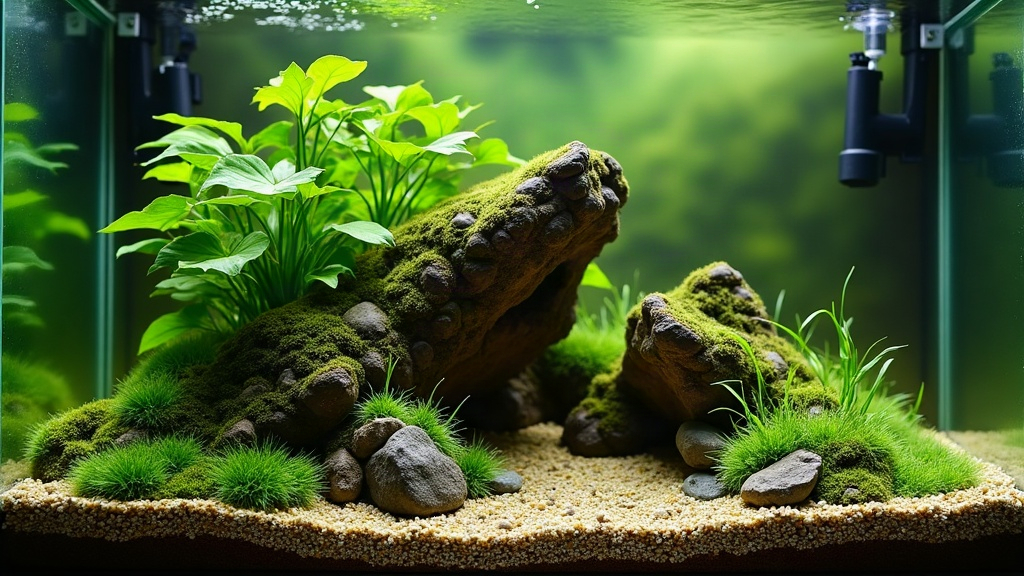
If your air stone has gone brown, slimy, or crusty on you, don’t panic. It’s almost always just biofilm, algae, and mineral or organic gunk building up in the nutrient-rich water that planted tanks are famous for. This is completely normal maintenance territory, not a warning sign that your tank is falling apart. But a clogged stone will start pushing out fewer, chunkier bubbles instead of that fine mist you want, so at some point you’ll need to clean it or swap it out.
Why Air Stones Get Brown and Slimy in Planted Tanks
Planted tanks are basically a buffet for biofilm and algae. A few reasons why:
- Nutrient-rich water: Fertilizers, fish waste, and decaying leaves dump nitrates, phosphates, and organic compounds straight into the water column.
- Light exposure: Stones sitting near the substrate or tucked close to grow lights catch enough light to feed algae, particularly diatoms (that brown dusty film) and cyanobacteria.
- Constant moisture and airflow: The porous texture of an air stone is basically an open invitation for bacteria and biofilm. They settle in, form a slick layer, and that layer snags dust, dirt, and algae spores as they float by.
- Mineral buildup: If you’re in a hard water area, calcium and other minerals will slowly deposit on the stone and plug up the pores.
That brownish tint is usually diatoms (common on newer surfaces or low-light spots) mixed with general detritus. Not mold, and nothing that’s going to hurt your fish.
Signs Your Air Stone Needs Cleaning
- Bubbles come out big and uneven instead of fine and steady
- The stone has visibly changed color (brown, gray, sometimes black)
- Airflow feels weaker even though the pump itself is running fine
- Touch it and there’s a slimy film coating the surface
- It starts making odd noises, gurgling or sputtering, that weren’t there before
How to Clean a Brown, Slimy Air Stone
Step 1: Remove It Properly
Switch off the pump, unplug the tubing, and pull the stone out. Try not to let it dry out completely before you clean it, if you can help it. Dried-on biofilm and mineral crust are a lot more stubborn to scrub off than wet gunk.
Step 2: Soak in a Cleaning Solution
Pick the method that matches what you’re dealing with:
- Algae and biofilm: Mix a 1:10 bleach-to-water solution and soak for 10-15 minutes. Rinse well, then soak again in dechlorinated water (or a water conditioner mix) for 15-20 minutes to neutralize leftover chlorine.
- Mineral buildup: Soak in white vinegar, straight or diluted 1:1 with water, for 20-30 minutes. This dissolves calcium deposits pretty reliably.
- Light grime: Sometimes hot water alone, or hot water with a dash of a gentle cleaner, is enough if the buildup is minor.
Step 3: Scrub Gently
Grab an old, soft toothbrush and scrub after soaking. Skip the stiff brushes or scouring pads. They’ll chew up that porous surface and you’ll end up with worse bubbles than before.
Step 4: Rinse and Test
Rinse under running water until there’s no trace of bleach, vinegar, or soap smell left. Then hook it back up and run it in a bucket of plain water for a few minutes, just to confirm the bubble flow has actually improved before it goes back in the tank.
When to Replace Instead of Clean
Air stones are cheap, so sometimes it’s just easier to replace one than fight with it:
- It’s been running for 6-12 months and the mineral clogging is heavy
- No amount of cleaning brings back that fine bubble stream
- It’s cracked, crumbling, or has lost its original shape
- There’s still a lingering odor even after a few cleaning rounds
Ceramic and wood air stones tend to hold up well over multiple cleanings. Cheaper porous rock stones, though, often clog permanently once minerals lodge deep in the pores, so replacing those more frequently just makes sense.
Preventing Future Buildup
- Keep the air stone out of direct light to slow down algae growth
- Add a pre-filter sponge, or get into the habit of scraping nearby surfaces
- Give the stone a light rinse during your normal weekly water change instead of letting buildup pile up for months
- Watch your fertilizer dosing. Overdoing it feeds the algae just as much as it feeds your plants
Conclusion
A brown, slimy air stone in a planted tank is just what happens when you combine nutrient-rich water, light exposure, and natural biofilm growth. It’s not a red flag about your fish or plants. A vinegar soak or diluted bleach treatment, paired with some gentle scrubbing, will usually get the bubble flow back to normal. And if cleaning stops working, a cheap replacement is all it takes to keep your tank’s oxygenation and water movement running the way it should.