Surface Skimmer for a Rimless Nano Tank: Glass vs Stainless
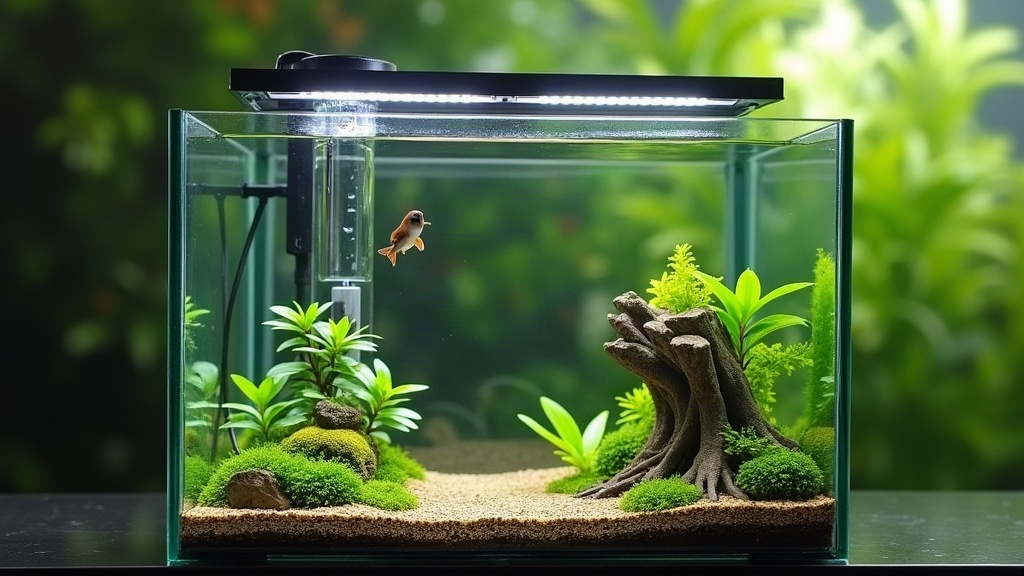
If you run a rimless nano tank, you’ve probably already figured out that algae isn’t your worst enemy. That oily, hazy film sitting on the water surface is. It’s the thing that ruins the crisp, “edgeless” look you paid good money for. A surface skimmer fixes this by pulling water from that top layer, right where biofilm, dust, and protein residue like to collect, before any of it clouds your glass or starts blocking light. For nano setups, the real choice comes down to two materials: glass or stainless steel. Both do the job, but they pull in different directions: looks versus toughness, quiet operation versus flow rate, tight budget versus long-term value.
Why Surface Skimming Matters More in Nano Tanks
Smaller volumes leave less room for error. A 10-20 gallon rimless tank simply doesn’t have enough water to dilute organic buildup the way a 55-gallon tank would, so that surface film shows up faster, and it’s a lot more noticeable when it does. What does that film actually do?
- It reduces gas exchange, which stresses out fish and shrimp
- It blocks light from reaching your carpeting plants
- It leaves a visible scum line against the glass, which kills the whole point of a rimless tank
A skimmer attachment on your filter intake (or a standalone unit) handles this by constantly drawing from that top centimeter of water, where most of the trouble starts.
Glass Skimmers: The Aesthetic Choice
Glass lily-pipe-style skimmers are the go-to for planted and aquascaped nano tanks, particularly ones built in the Japanese nature aquarium style.
Pros:
- Nearly invisible in the tank, which matters a lot in rimless setups where the whole idea is visual minimalism
- Won’t scratch acrylic or rimless glass panels
- Looks cohesive next to glass lily pipes and glass inflow/outflow sets
- Doesn’t corrode, rust, or leach metal ions, so it’s safe around sensitive shrimp (Caridina species especially)
Cons:
- Fragile. One wrong bump during maintenance and it can crack
- Pricier per piece, especially branded sets (ADA, UNS, CAL AQUA)
- Fixed diameter, so you lose flexibility if you swap filters down the line
Best for: planted nano tanks, shrimp tanks, and anyone who wants that seamless, no-hardware-visible look.
Stainless Steel Skimmers: The Durability Choice
Stainless steel surface skimmers give up some visual subtlety in exchange for ruggedness and a lower price tag.
Pros:
- Nearly indestructible. It won’t chip or shatter if you drop it or knock it during cleaning
- Usually cheaper than an equivalent glass piece
- Often adjustable or modular, so it fits a wider range of tubing diameters
- Works fine in tanks without a CO2/planted focus, like betta tanks or community nano setups
Cons:
- Stands out more against the glass, which can clash with a rimless tank’s minimalist look
- Lower-grade stainless can develop surface spotting over time in high-mineral water
- Doesn’t blend in as cleanly with glass lily pipe setups
Best for: busy households, tanks near kids or pets, or hobbyists who care more about function than a display-tank finish.
How to Choose: A Quick Decision Framework
- Is this a display or aquascape tank? Go glass. The visual payoff is worth it.
- Is breakage a real risk (kids, pets, frequent moves)? Go stainless.
- Do you keep sensitive shrimp? Glass is the safer bet. If you go stainless anyway, confirm it’s 304 or 316 grade to avoid any ion leaching.
- Working with a tight budget? Stainless usually wins on price without giving up much function.
- Trying to match existing glassware (inflow/outflow pipes)? Stick with glass for visual consistency.
Installation Tips for Rimless Tanks
- Put the skimmer where surface flow naturally pools, usually on the opposite side from the filter outflow.
- Keep the skimmer height adjustable. Biofilm forms at a very precise surface level, and even a half-inch misalignment can tank its effectiveness.
- Clean the skimmer slit weekly. Even stainless models clog with biofilm and need a quick brush now and then.
- With glass skimmers, always use a dedicated holder or suction mount instead of resting it against the glass edge. That’s how rimless panels get chipped.
Conclusion
For rimless nano tanks, the glass versus stainless question really just comes down to aesthetics versus durability. If your tank is a planted display piece, glass skimmers disappear into the scene and make the whole setup look better. If practicality, cost, and resilience matter more to you than visual purity, stainless steel does the job reliably without the fragility. Either way, adding a surface skimmer is one of the easiest upgrades you can make if you want a nano tank that actually stays crystal clear.