Winter Window Draft & Rimless Aquariums: How to Insulate
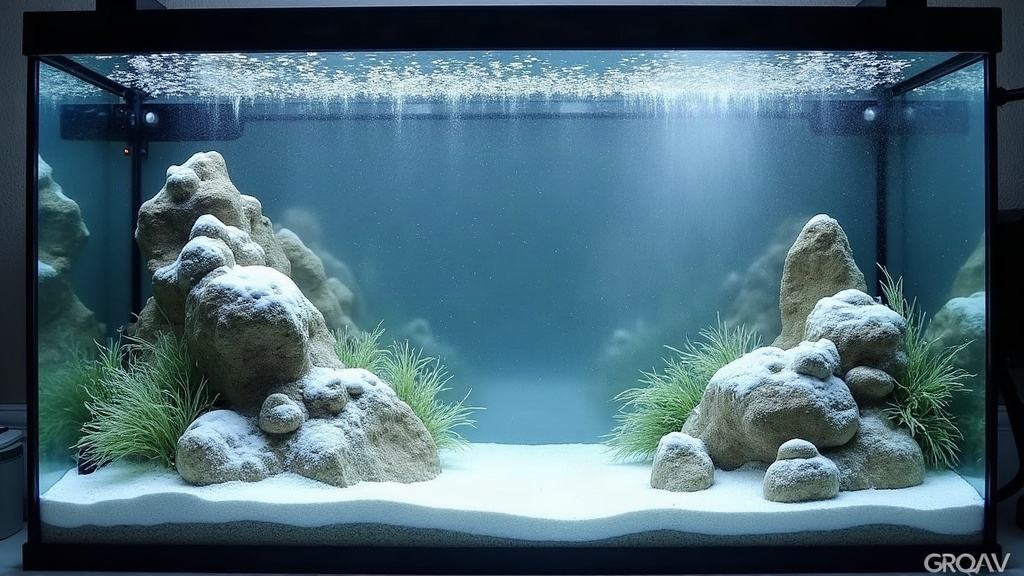
Why Rimless Tanks Are More Vulnerable to Cold Drafts
Rimless aquariums get all the praise for their unobstructed views. No plastic trim, no top frame, just glass and water, clean as it gets. But that same design choice that makes them gorgeous on Instagram also makes them a thermal liability the moment winter shows up.
- No frame to buffer heat loss. Standard rimmed tanks have plastic trim around the top, sometimes braces too, which slightly cuts down exposed surface area. Rimless tanks skip all that. It’s bare glass, top to bottom, on every side.
- Thinner glass in smaller setups. A lot of nano and mid-size rimless tanks use thinner panes to save on weight and cost. Thin glass conducts cold much faster than thick starphire glass does.
- Open-top design. Most rimless tanks pair with open tops, either for clip-on lights or just for looks, which means warm surface air escapes freely. Pull a cold draft across that open top and heat loss speeds up fast.
- Proximity to windows. Aquascapers love placing rimless tanks near natural light for plant growth and for that perfect photo. Unfortunately, that spot is also right in the path of window drafts.
Signs Your Tank Is Being Affected by a Cold Draft
Before you start insulating everything in sight, confirm there’s actually a problem. Watch for these:
- Heater running nonstop, never satisfying the thermostat, or cycling on and off far more than it used to.
- Overnight temperature drop. Grab a digital thermometer and check the glass nearest the window against the opposite side. A gap of 2°F (1°C) or more tells you the draft is doing real damage.
- Fish clustering away from the window side, or shrimp and fish going quiet and off their food during cold snaps.
- Condensation or frost on the inside of the window near the tank. That’s the window itself bleeding heat, not just the tank.
- Algae or plant growth slowing down for no obvious reason, even with lighting and CO2 dialed in as usual. This one often shows up before fish start acting stressed.
How Cold Drafts Physically Affect the Water
Glass reacts to temperature changes quickly, nothing like an insulated wall. So when a draft chills the air around a rimless tank, here’s roughly what happens:
- The glass panel closest to the window cools down first.
- That creates a micro-current inside the tank: cooler water sinks near that cold pane while warmer water rises on the other side. It’s subtle, but enough to rattle sensitive species like shrimp, bettas, or discus.
- Your heater tries to keep up, but heaters are built for average heat loss, not sudden localized drops. A cracked window, a draft sneaking in under a door, an overnight cold snap, any of these can outpace what the heater was designed to handle.
How to Insulate a Rimless Tank Without Ruining the Look
The trick here is protecting the tank without turning it into an eyesore. You bought a rimless tank for a reason, so let’s keep it that way.
1. Reposition or Buffer the Window Gap
- Move the tank at least 6 to 12 inches away from the window glass, even if it stays on the same stand.
- Hang thermal curtains or a cellular window shade behind the tank. Close them at night and you’ll cut draft impact noticeably, sometimes more than people expect.
- Weatherstrip any drafty window frames. Half the time, the real “aquarium problem” is actually just a neglected window.
2. Insulate the Back and Side Panels
- Stick a background sheet with foam backing (a staple in planted tank setups) on the panel facing the window. Thin, but it adds a real insulating layer while still looking deliberate rather than slapped on.
- For nano tanks, cut a piece of cork bark background or PVC foam board to size and glue it to the exterior back panel. Bonus: it adds texture too, not just insulation.
3. Cover the Open Top Strategically
- Add a glass top panel, even a basic cut-to-size sheet, instead of leaving the tank wide open. This traps warm, humid air and cuts down evaporative heat loss, which is a bigger deal on open-top rimless setups than most people realize.
- Running clip-on LED lighting? Get a top cover with a small cutout rather than skipping the cover entirely.
4. Upgrade Your Heater Setup
- Instead of oversizing one heater, add a second smaller heater on the window-facing side for targeted compensation right where the cold hits hardest.
- Use a controller with a digital thermostat and alarm so you get a warning before your fish feel the swing, not after.
5. Add a Stand-Level Barrier
- Got an open stand sitting near the window? Block the draft from below with a simple insulating panel, foam board works, or even cardboard wrapped in fabric if you want it to blend in.
Quick Checklist Before Winter Hits
- Measure temperature difference between window-side and opposite-side glass
- Add thermal curtain or shade for nighttime hours
- Install insulating background on the window-facing panel
- Add or upgrade top cover to reduce evaporative/open-top heat loss
- Verify heater wattage matches tank volume plus draft exposure
- Set up a temperature alarm or smart thermometer for peace of mind
Conclusion
A rimless aquarium’s good looks come with a small thermal price tag, and a winter draft can turn that small price into real stress for your fish and plants if you ignore it. Reposition the tank a bit, add a discreet insulating background, put a proper cover on top, match your heater to the actual conditions, and you’ll keep the water rock-stable through the coldest months. Best part? None of it requires covering up the clean, modern look that made you pick a rimless tank in the first place.