Beginner vs Advanced Ways to Plant a Dwarf Sagittaria Lawn
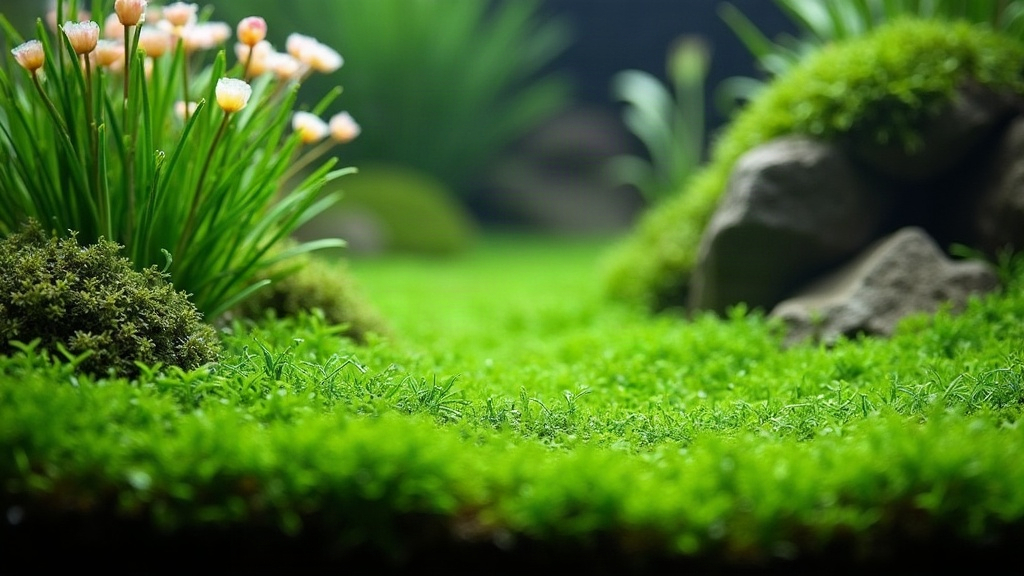
Dwarf sagittaria (Sagittaria subulata) might be the most forgiving carpet plant you can throw into a tank. First-time planters love it because it just works. Seasoned aquascapers love it because, with the right push, it turns into a dense, grass-like lawn worthy of a competition tank. This guide walks through both ends of that spectrum, beginner methods and advanced techniques, so you can pick whatever fits your tank, your budget, and honestly, your patience.
Why Dwarf Sagittaria Works for Almost Any Tank
Most true carpeting plants (dwarf baby tears, for instance) are fussy. They want CO2, they want strong light, and their root systems are delicate enough that one bad week can wipe out months of work. Sagittaria doesn’t play that game. It tolerates low light, doesn’t demand CO2 injection, and spreads through tough little runners instead of fragile roots. That’s the whole reason it sits comfortably between “beginner plant” and “serious aquascaping material.”
- Grows in low, medium, or high light
- Spreads laterally through runners, filling gaps over time
- Tolerant of a wide pH and hardness range
- Can be grown fully submerged or emersed (paludariums)
Beginner Method: Simple Planting, Minimal Gear
If you’re new to planted tanks, don’t overthink this. The goal is just to get the plant anchored and growing with as little fuss as possible.
Step-by-Step
- Use root tabs or nutrient-rich substrate. Something basic like Fluval Stratum works, or even plain gravel with a root tab tucked nearby.
- Plant individual stems or small clumps. Space them 1.5–2 inches apart, tweezers or fingers both work fine. Bury the roots, but leave the crown sitting right at the substrate line.
- Weigh down new plantings if they float. This happens more often than you’d think before roots grab hold. A small plant weight or a bit of mesh pinned over the area takes care of it.
- Keep lighting simple: 6-8 hours a day with a standard LED fixture. No need to chase a specific spectrum.
- Dose liquid fertilizer weekly if your substrate isn’t already nutrient-rich. Nitrogen and potassium are what matter most here.
What to Expect
Most beginners notice new runners popping up within 2-3 weeks, and a loosely filled lawn by month two or three. The hard part isn’t the technique, it’s waiting. Don’t crowd the tank with plants at the start just because the carpet looks sparse; sagittaria fills in on its own given time.
Advanced Method: Maximizing Density and Speed
Experienced aquascapers usually want more: a tighter, perfectly uniform mat, and they want it fast, especially for contest layouts or sharp contrast against hardscape.
Techniques That Accelerate Growth
- CO2 injection (20-30 ppm): This alone can double or triple runner production, and it keeps the leaves short and compact instead of tall and thin.
- High-intensity lighting (40-60 PAR at substrate): Paired with CO2, high light pushes the plant into that low, dense growth pattern instead of stretching upward for light.
- Micro-division planting: Rather than planting clumps, split individual shoots down to a single root each and plant them in a tight grid, 0.5-1 inch spacing. It looks almost like an instant carpet.
- Nutrient-rich aquasoil with root tab reinforcement: ADA Amazonia with root tabs placed every couple of inches gives early growth a serious boost.
- Trimming for lateral spread: Topping the taller leaves forces the plant to redirect energy into runners instead of height, which speeds up mat formation noticeably.
Dealing With Common Advanced Challenges
- Melting after planting: Usually comes down to a sudden shift in light or CO2 compared to the nursery conditions. The fix is acclimating plants slowly, over 1-2 weeks, not throwing them straight under 60 PAR.
- Algae on leaves: High light without matching CO2 and nutrients is basically an algae invitation. Balance all three (light, CO2, fertilizer) using the nutrient triangle approach.
- Uneven carpet growth: Rotate substrate nutrients, or just manually move runners into the bare spots. Sometimes it’s that simple.
Beginner vs Advanced: Quick Comparison
| Factor | Beginner Approach | Advanced Approach |
|---|---|---|
| Spacing | 1.5-2 inches | 0.5-1 inch |
| CO2 | Not required | Injected, 20-30 ppm |
| Lighting | Standard, 6-8 hrs | High PAR, tuned spectrum |
| Time to full carpet | 2-4 months | 4-8 weeks |
| Maintenance | Minimal | Regular trimming, dosing |
Final Tips for Any Skill Level
- Rinse new plants before planting. Snail eggs and algae spores hitch a ride more often than people realize.
- Once the carpet hits 2-3 inches, start trimming regularly, or it stops looking like a lawn and starts looking like an overgrown lot.
- Don’t bury the crown too deep. That’s the single most common reason a planting stalls or fails outright.
Conclusion
What makes dwarf sagittaria so likeable is that it meets you where you are. Give it almost nothing and it’ll still grow into a decent green lawn, just slowly. Give it CO2, strong light, and tight spacing, and it turns into a dense, manicured carpet in a matter of weeks. Either way, the real variables that decide your outcome are the same: consistent lighting and the willingness to wait it out.