Why Vallisneria Melts After Transplant and How to Prevent It
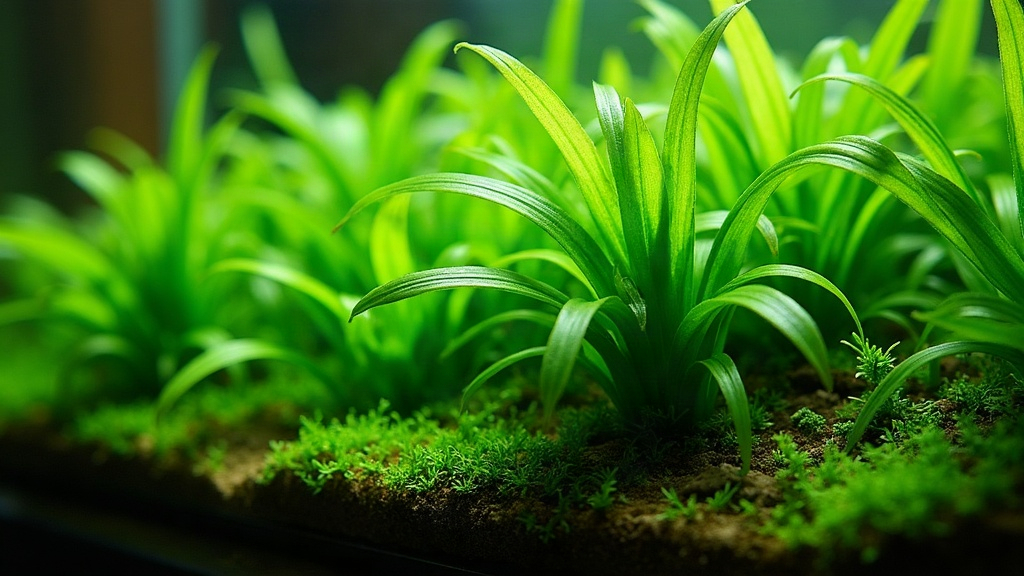
Vallisneria melts after a transplant because the move rattles its root system and throws off its light adaptation. The plant panics, essentially, and dumps its old leaves while it works on rebuilding from scratch. That’s normal, even expected, in a lot of cases. But if the melt is severe or drags on for weeks, you’re probably looking at a preventable mistake somewhere: planting technique, water chemistry, or lighting. Figure out the cause and you can cut the damage way down and get your vallisneria back on its feet fast.
What “Melt” Actually Looks Like
Melt isn’t the plant dying, not exactly. It’s a specific reaction where leaves go translucent, yellow, or mushy and then just fall apart, usually starting at the tips or the base. Signs to watch for:
- Leaves turning clear or jelly-like within days of planting
- A slimy feel when you touch the foliage
- New growth coming in pale or thin near the crown
- The whole plant seeming to dissolve while the roots underneath stay fine
Here’s the key diagnostic: check the crown, the white base where the leaves emerge. If it’s still firm and white, the plant will almost certainly recover. If the crown itself has gone brown and soft, that’s actual rot, not melt, and at that point the plant usually isn’t coming back.
Why Transplant Triggers Melt
1. Root Disruption
Vallisneria depends on fine root hairs to pull in nutrients efficiently. Transplanting, especially bare-root planting or ripping apart an established runner system, tears those hairs right off. The plant suddenly can’t feed itself through the substrate, so it burns through the energy stored in its leaves. Those leaves die back as a result.
2. Sudden Environmental Change
A plant grown in a nursery tank, a different aquarium, or even a different corner of your own tank has quietly adapted to a particular light intensity, spectrum, CO2 level, and water chemistry. Drop it into a tank with different parameters and it has to recalibrate its internal chemistry on the fly. Old leaf tissue, built for the previous setup, often just can’t keep pace and dies off.
3. Physical Damage During Handling
Vallisneria leaves are thin, almost paper-like, and bruise easily. Bend, fold, or squeeze the crown while planting and you damage the cell structure. That’s an open door for bacteria and fungi, and decay speeds up fast from there.
4. Unstable Water Parameters
Quick swings in temperature, pH, or hardness right after a transplant pile on more stress. Freshly disturbed roots are particularly touchy during the first one to two weeks, so this is exactly the wrong time for parameter chaos.
5. Insufficient Light or Nutrients Post-Planting
Under-lit tank? Low on iron or other micronutrients? The plant can’t churn out replacement leaves quickly, so the melt looks worse and drags on longer than it needs to.
How to Prevent Vallisneria Melt
Plant Correctly
- Trim roots down to about 1 inch (2.5 cm) before planting. This pushes the plant toward growing fresh roots instead of trying to nurse damaged ones back to life.
- Bury only the roots and the base of the crown. Never bury the crown itself, that’s a rot sentence.
- Handle gently with tweezers or your fingers. Don’t pinch or crush the base.
Match the Water Parameters
Try to get temperature, pH, and hardness as close as possible to the source water before you transplant. Moving between tanks? Drip-acclimate over 20 to 30 minutes rather than dumping the plant straight in.
Keep Lighting Moderate and Consistent
Don’t blast a freshly planted vallisneria with strong light on day one. Moderate lighting, roughly 30-50 PAR, eases the stress while roots get established. And keep the photoperiod steady, no sudden schedule changes for at least the first two weeks.
Add Root Tabs or Liquid Fertilizer
Vallisneria feeds heavily through its roots. Place root tabs near, not touching, the base to supply iron, potassium, and other micronutrients. This speeds up new leaf production noticeably.
Don’t Disturb It Again
If leaves start melting, resist the urge to dig it up and replant somewhere else. That just piles more stress on top of stress. Give the roots at least 2-3 weeks to settle before you touch anything again.
Maintain Stable CO2 and Flow
Even a low-tech, no-CO2 tank benefits from steady circulation. Stagnant water near the base invites algae and biofilm onto melting tissue, and that only slows recovery further.
What to Do Once Melt Starts
- Snip off any fully melted or mushy leaves with clean scissors so they don’t foul the water.
- Leave alone any leaf that’s still green or even partially firm. It’s still doing photosynthesis and helping the plant along.
- Test your water (ammonia, nitrite, pH). Decaying plant matter can spike ammonia surprisingly fast in smaller tanks.
- Be patient. Most healthy vallisneria pushes out new runners and leaves within 2 to 4 weeks.
When to Worry
If the crown itself goes brown, mushy, or starts smelling foul, or if you see zero new growth after 4 to 6 weeks, the plant has probably died rather than just melted. At that point, pull the whole thing out before it spikes your ammonia, and think about replanting a fresh specimen using the prevention steps above.
Conclusion
Melt after transplanting is usually just a stress response, triggered by root disruption, rough handling, or a shift in environment, not a death sentence for your vallisneria. Trim the roots properly, match the water parameters, keep the light moderate, and feed the root zone. Do those four things and you’ll cut melt severity dramatically, with your vallisneria carpet filling back in within a few weeks.