Thick Hydrocotyle Tripartita Carpet Without CO2 in a Nano Tank
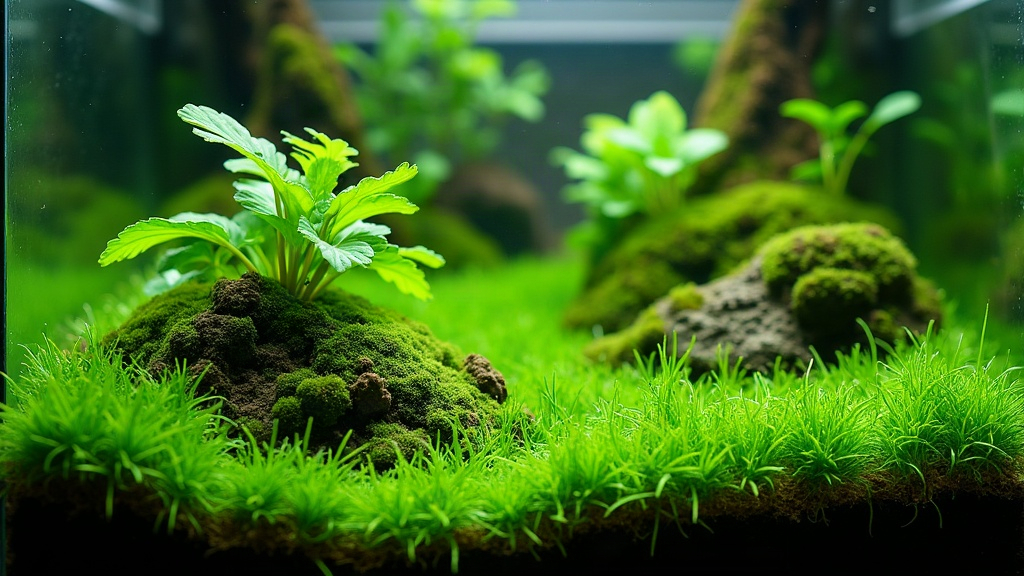
Growing a thick Hydrocotyle tripartita carpet without CO2 in a nano tank is entirely doable. You just need strong light, a nutrient-rich substrate, regular trimming, and a bit of patience. Unlike Dwarf Baby Tears, tripartita doesn’t throw a tantrum without pressurized CO2. Give it decent conditions and it’ll spread dense and low instead of stretching leggy toward the light.
Why Hydrocotyle Tripartita Works So Well Without CO2
Hydrocotyle tripartita (people often mix it up with dwarf pennywort) is one of the rare true carpeting plants that actually does well in low-tech setups. It creeps along the substrate, sending out horizontal runners that root down at each node as they go. Give it enough light and it hugs the ground instead of racing for the surface.
Its real edge over CO2-hungry plants like Hemianthus callitrichoides is flexibility. It shrugs off a wider swing in light and nutrient levels and still manages to put out a lush green mat.
Setting Up Your Nano Tank for a Dense Carpet
1. Choose the Right Substrate
A nutrient-rich aqua soil (ADA Amazonia, Fluval Stratum, Tropica Aquarium Soil, take your pick) is the single biggest factor in getting a carpet without CO2. These substrates feed ammonium and micronutrients straight to the roots, which keeps growth moving even when carbon is in short supply.
- Use at least 2 inches (5 cm) of substrate depth so roots have something to grab onto.
- Skip plain gravel or sand on its own. Tripartita will crawl along slowly and thin without nutrition at the root zone.
2. Provide Strong (But Not Excessive) Light
Without CO2 in the mix, light has to be strong enough to push growth, but not so hot that algae outruns the plant’s ability to use up available nutrients.
- Aim for 30-50 PAR at substrate level.
- 6-8 hours a day is typically plenty.
- A proper planted-tank LED (not some generic “fish tank light” off the shelf) makes a noticeable difference in a small footprint like a nano tank.
3. Dose Liquid Fertilizer Consistently
Even in rich substrate, tripartita appreciates regular liquid dosing, particularly potassium, iron, and trace micronutrients.
- Dose a comprehensive liquid fert 2-3 times a week at low-tech strength.
- Watch out for nitrogen spikes. They feed algae faster than they feed density.
- Liquid carbon products (Seachem Flourish Excel is the usual go-to) can act like a mild CO2 substitute and help close up bare patches quicker.
Planting Technique for Fast Carpet Coverage
- Break the plant into small clumps, a few stems each, rather than dropping in one big clump.
- Space clumps roughly 1-1.5 inches (2.5-4 cm) apart across the substrate.
- If runners keep floating up, pin them down with a bit of substrate or mesh. Tripartita’s roots are shallow and take a week or two to really anchor in.
Keeping the Carpet Thick, Not Leggy
The classic mistake: letting tripartita shoot upward instead of spreading out. Fight that tendency with:
- Regular trimming: Trim new growth every 1-2 weeks to push the plant toward lateral spread instead of vertical stretch.
- Consistent light distance: Don’t shuffle the light around. Move it farther away and stems start stretching for the surface.
- Patience over the first month: It looks patchy at first while runners are establishing. Real density usually shows up around week 4-6.
Common Problems and Fixes
Carpet turning yellow or thin: Nine times out of ten it’s a nutrient shortfall. Bump up fert frequency, or check how old your substrate is (older substrates run out of steam).
Algae taking over bare spots: Cut the photoperiod back a touch and up the fertilization so the plant can outcompete algae for what’s available.
Slow initial growth: Totally normal for the first 2-3 weeks. Resist the urge to pull it up and check on it. That just wrecks the shallow root system.
Realistic Timeline
In a nano tank (5-10 gallons) with decent substrate and light, here’s roughly what to expect:
- Weeks 1-2: Runners settle in, barely any visible spread.
- Weeks 3-5: Lateral growth kicks in, clumps start linking up.
- Weeks 6-8: Full, dense carpet, ready for regular trim maintenance.
Conclusion
A thick Hydrocotyle tripartita carpet without CO2 is well within reach for anyone running a nano tank. The recipe isn’t complicated: nutrient-rich substrate, strong and stable lighting, consistent liquid fertilizing, and disciplined trimming to keep growth flat instead of tall. Stick with it for 6-8 weeks and you’ll end up with a lush, low-maintenance carpet that holds its own against plenty of CO2-injected setups.