Summer Vacation Water Top-Up Plan for a Bowl Aquascape
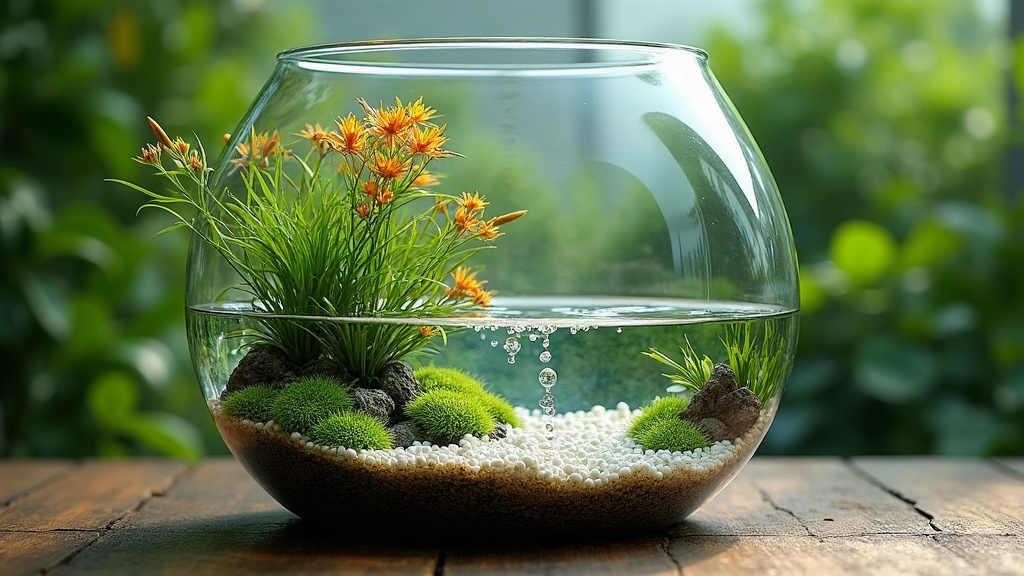
A bowl aquascape loses water fast when summer heat hits, and even a short trip without some kind of top-up plan can leave your fish stewing in an overheated, overly concentrated environment. Here’s exactly how to prep your bowl before vacation, what kind of evaporation to expect, and which low-tech top-up setups actually hold up for small, open-top containers.
Why Bowl Aquascapes Evaporate So Quickly
A lidded aquarium keeps most of its moisture in. A bowl doesn’t. Wide open surface, no cover, nothing slowing the process down. That combination speeds up evaporation dramatically, especially in summer when:
- Room temperatures climb above 78°F (26°C)
- Air conditioning or a fan pushes extra airflow across the surface
- Sunlight (direct or just bouncing around the room) heats the glass and water
- The bowl only holds 1-5 gallons to begin with, so even a small loss hits hard percentage-wise
A 2-gallon bowl can drop half an inch during a heatwave in just 2-3 days. Doesn’t sound like much, but that’s enough to push ammonia up, cause temperature swings, and stress out shrimp or nano fish like chili rasboras.
The Real Risk While You’re Away
It’s not simply “the water gets low.” As the water disappears, everything still dissolved in it, minerals, waste, leftover fertilizer, gets more concentrated. That sets off a chain reaction:
- GH/KH spikes out of nowhere
- Ammonia and nitrite levels creep up
- Temperature swings faster (less water heats and cools much quicker)
- A crusty, salt-like film forms on the glass and on plant leaves
For a planted bowl, this is usually a bigger problem than skipping a few feedings. Most people planning vacation care worry way too much about hunger and nowhere near enough about evaporation.
Step 1: Calculate Your Evaporation Rate Before You Leave
About a week out, mark the waterline with a dry-erase marker or a thin strip of tape. Check it every day and jot down how much it drops. Multiply that by the number of days you’ll be gone to get a rough total. This one habit saves you from scrambling to fix things the night before your flight.
Step 2: Choose a Top-Up Method Based on Trip Length
Weekend trip (2-3 days)
- Top the bowl off a bit higher than usual before you go (within reason, don’t tempt an overflow)
- Keep it out of direct sun and away from vents
- An active system isn’t really necessary here
Short vacation (4-7 days)
- A simple drip setup works well: a bottle of dechlorinated water sitting above the bowl, feeding drops through thin airline tubing and a control valve (or even just a cotton wick)
- Or try a slow-release water globe, the kind sold for potted plants, filled with pre-treated water
Extended trip (8+ days)
- Set up an automatic drip, or a mini aquarium auto top-off (ATO) pump with a float valve if you want to go further
- Have a neighbor or friend swing by every 3-4 days to top off the bowl using a pre-measured, labeled jug of dechlorinated water
- Don’t trust gravity drips alone for a long stretch. They clog. They run dry. Both happen more often than you’d think.
Step 3: Prep the Bowl Environment
- Pull the bowl out of direct sunlight. This slows evaporation and keeps algae from exploding while you’re gone
- Keep it away from windows, vents, and fans
- Toss in some floating plants (frogbit or salvinia work nicely) to shade the surface and cut down on moisture loss
- Do a partial water change 1-2 days before you leave so the bowl starts out clean
Step 4: Prepare Top-Up Water in Advance
Don’t hand a sitter a jug of straight tap water. Pre-mix dechlorinated, room-temperature water ahead of time, label the container, and write clear instructions:
- “Add 1 cup every 3 days”
- “Never go past the marked line”
This takes the guesswork out of it and prevents overcorrection, which honestly does just as much damage as evaporation.
Common Mistakes to Avoid
- Overfilling before you leave: one bump or a humid spell and you’ve got water on the floor
- Using untreated tap water for top-ups: chlorine and chloramine will hurt shrimp and wipe out beneficial biofilm
- Ignoring water temperature: dumping in cold water can shock the fish, let it sit at room temp first
- Skipping sitter instructions: even a basic bowl setup needs a written note if someone else is handling it
Conclusion
A bowl aquascape can make it through a summer vacation just fine, but only if your plan accounts for evaporation and not just feeding schedules. Track your evaporation rate ahead of time, match your top-up method to how long you’ll be gone, and always pre-treat whatever water goes in. Spend a bit of time prepping the week before your trip, and you’ll come home to a stable, healthy bowl instead of a cloudy, stressed-out mess.