Using Blackwater Botanicals to Trigger Spawning in Pygmy Corydoras
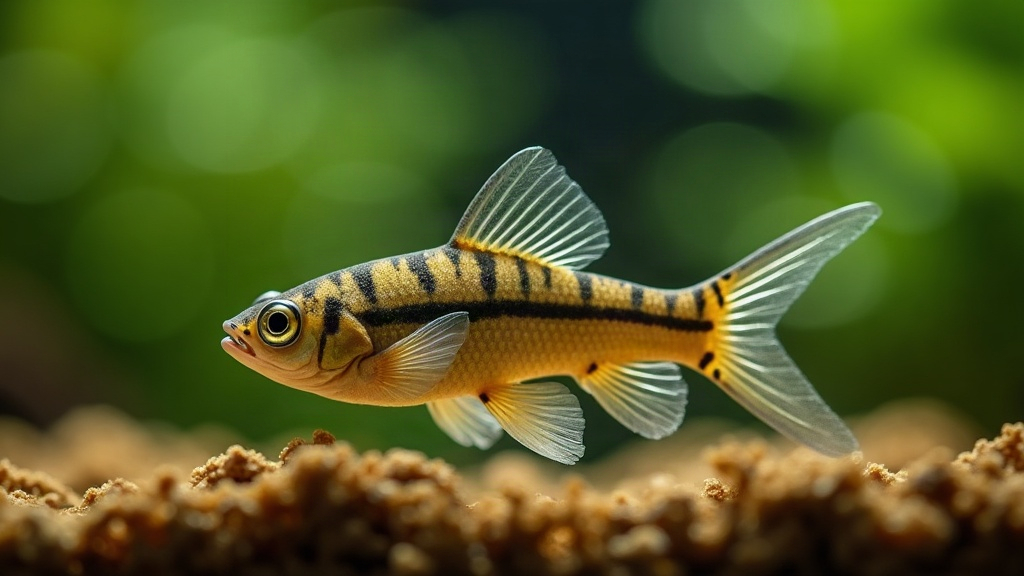
Using Blackwater Botanicals to Trigger Spawning in Pygmy Corydoras
Some hobbyists get lucky. They drop a handful of pygmy corydoras (Corydoras pygmaeus) into a clean, planted tank and the fish just… breed. Most of us aren’t that lucky. For the rest, these fish sit there looking healthy but doing absolutely nothing until the water starts to resemble their native Amazonian streams. That’s where blackwater botanicals come in. Leaves and cones like Indian almond and alder release tannins and humic substances that lower pH, soften the water, and add a layer of natural antimicrobial protection, and together those changes seem to flip a switch in the fish’s head that says: the rainy season is here. This guide covers which botanicals actually work, how much to use, and how to pair them with temperature and feeding tweaks so you get a spawn you can count on, not a one-off fluke. For wood that releases excessive tannins, proper preparation is essential.
Why Pygmy Corydoras Are Picky About Water
Corydoras pygmaeus is genuinely small, rarely more than an inch (2.5 cm) long, and it behaves differently from most corys too. Instead of gluing itself to the substrate, it spends most of its day hovering in midwater like a little schooling fish. In the wild it comes from the Madeira River basin, in soft, tannin-stained streams that are acidic, low in minerals, and full of decomposing leaf litter.
Hard, alkaline tap water quietly sabotages spawning in two ways:
- It never gives the fish the seasonal “soft water” cue that tells their bodies breeding season has arrived
- It reduces egg and milt viability, so even if a pair goes through the motions, fertilization and egg survival suffer
A blackwater setup isn’t about making the tank look murky for the sake of it. The point is chemistry: you’re rebuilding the exact conditions pygmies evolved to breed in.
What Blackwater Botanicals Actually Do
Strip away the mystique and botanicals are really doing four jobs at once:
- Lower pH: tannic and humic acids pull pH down into the 6.0–6.5 range pygmies favor for spawning
- Soften water: humic substances bind calcium and magnesium, cutting hardness and total dissolved solids
- Add antifungals: tannins suppress the fungus that otherwise smothers soft, unfertilized cory eggs within days
- Provide cover and egg sites: decomposing leaves grow a biofilm layer adults graze on, and fry use it as cover
The water turns amber, sometimes almost like weak tea. That color isn’t a sign you’re neglecting the tank. If anything, it’s proof the chemistry is heading exactly where you want it.
The Best Botanicals for Pygmy Corydoras
Indian Almond (Catappa) Leaves
The old reliable. One medium leaf per 10 gallons (38 liters) releases tannins slowly, over several weeks, and eases pH down gradually rather than crashing it. It’s cheap, forgiving, and at sane dosing rates it’s nearly impossible to mess up.
Alder Cones
Pound for pound, alder cones are the strongest pH-lowering botanical most people can get their hands on. Two or three small cones per 5 gallons (19 liters) will noticeably darken the water and drag pH down fast. Start light and test daily, especially in already-soft water, where the effect can swing harder than you’d expect.
Oak and Beech Leaves
Dried oak or beech leaves mimic the leaf litter pygmies actually live in back home. They decompose slowly, feed biofilm growth, and give the fish shaded spots to rest in. Boil them for a couple of minutes first so they sink instead of floating around uselessly.
Rooibos Tea
The shortcut. Steep a plain, caffeine-free rooibos bag in a cup of water, let it cool, and pour it in. It darkens the water fast without dumping decomposing solids into the tank, which makes it perfect for topping up tannins between leaf changes.
Banana and Guava Leaves
These leach tannins faster than catappa but also break down quicker. If you want a strong initial hit of color and chemistry in a dedicated spawning tank, these are worth trying.
Step-by-Step: A Blackwater Spawning Setup
Skip the community tank. A small, dedicated setup gets you far more predictable results:
- Use a 5–10 gallon (19–38 liter) tank with a gentle sponge filter and either bare glass or just a thin scattering of fine sand
- Start with soft water: blend RO or rainwater with a splash of aged tap water to land around 2–6 dGH
- Add botanicals a week ahead of introducing any fish, giving pH time to settle around 6.0–6.5
- Add a small group of six to eight pygmies, leaning slightly toward more females than males
- Toss in spawning mops or fine plants like java moss, since pygmies like dropping their tiny sticky eggs onto something with texture
Test pH and hardness daily while the botanicals are seasoning the water. In a tank this small, values shift quickly, and pygmies don’t handle sudden swings well.
Conditioning: Food Before the Trigger
Tannins won’t do a thing for a fish that’s underfed. Two to three weeks out, rotate through live and frozen foods:
- Freshly hatched baby brine shrimp, hands down the best conditioning food you can offer
- Microworms and grindal worms for variety
- Frozen cyclops, daphnia, and white mosquito larvae
- A quality sinking pellet or wafer as the everyday staple
Feed small portions two or three times a day. When a female looks visibly rounder, almost swollen, with a full belly, that’s your sign she’s carrying eggs.
The Spawn Trigger: Cool, Soft Water Change
Once conditioning is done and the tank has that amber blackwater tint, it’s time to simulate a rainstorm:
- Do a 30–50% water change with soft water that’s 4–6°F (2–3°C) cooler than the tank
- Make sure the replacement water is aged, dechlorinated, and already tinted from rooibos or leaf soaking
- Pour it in slowly, ideally as a fine spray or a slow drip, to imitate actual rain falling
Most of the time, pygmies spawn within 24 to 48 hours of that change. Females scatter small, sticky eggs across plant leaves, the glass, and even the botanicals sitting on the bottom.
Egg and Fry Care: Where Tannins Shine
This is where all that tannin buildup really pays off. Move the eggs, or the whole colony, to a clean tank, run a gentle air stone, and keep the water tinted. The antifungal effect of the tannins keeps unfertilized eggs from fungusing over and spreading rot to the healthy eggs next to them.
Eggs typically hatch in three to five days, depending on temperature. Once the fry go free-swimming, start them on infusoria and microworms before stepping up to baby brine shrimp. A thin layer of softened leaf litter gives them somewhere to graze on biofilm and somewhere to disappear when they feel like hiding.
Conclusion
None of this is magic. Botanicals are simply supplying the environmental signal pygmy corydoras need to breed on cue. Soft, slightly acidic, tannin-stained water, backed by weeks of rich live-food feeding and finished off with a cool water change, recreates the Amazon’s rainy season closely enough to fool the fish into spawning. Start with Indian almond leaves and alder cones, check your water daily, and keep rooibos tea on hand for a quick tannin top-up. Nail the chemistry, and even a modest group of pygmies will give you steady, low-drama spawns you can raise up into the next generation.