Why Rotala Indica Drops Lower Leaves in a Low-Nitrate Aquarium
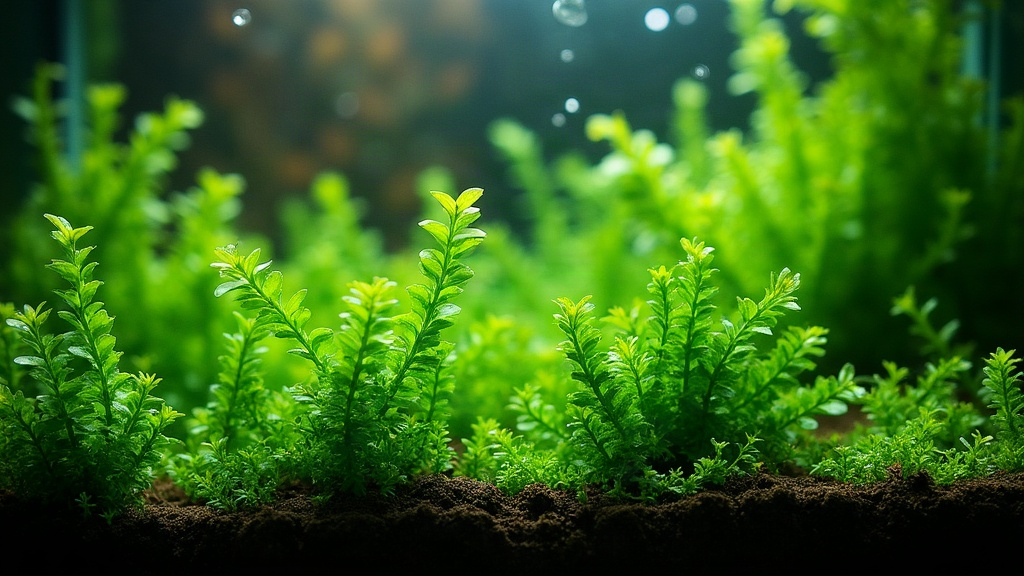
If your Rotala Indica is dropping its lower leaves while the tips still look perky and green, nine times out of ten you’re looking at a nitrate problem. The plant is essentially rationing itself, pulling nitrogen out of older leaves and shipping it up to the new growth. Here’s how to spot it, confirm it, and fix it for good.
Why Lower Leaves Drop First
Rotala Indica grows fast, and it’s constantly funneling resources toward whatever’s happening at the top of the stem. When nitrate gets scarce, the plant starts cannibalizing itself in a sense:
- Mobile nutrients (nitrogen especially) get pulled out of the older, lower leaves first.
- Those leaves go yellow, get thin and papery, then drop off entirely.
- Meanwhile the new growth up top can look completely fine, since it gets first dibs on whatever nitrate is floating around.
This pattern is worth distinguishing from CO2 or potassium problems, which tend to show up as pinholes, curling, or spotting rather than a clean bottom-up leaf drop.
How to Confirm It’s Nitrate, Not Something Else
Don’t just start dumping fertilizer in. Rule out the lookalikes first:
- Test your water. If you’re reading under 5-10 ppm nitrate in a planted tank, that’s likely too lean for a hungry stem plant like Rotala.
- Check the pattern. Nitrate deficiency causes a gradual, even yellowing that starts at the base and creeps upward. Compare that against:
- Potassium deficiency: pinholes in older leaves, edges curling inward.
- CO2 fluctuation: melting or blackening leaves, and usually an algae problem tagging along.
- Iron/micronutrient deficiency: it’s the new growth that pales out, not the old leaves.
- Look at growth speed. Rotala that’s stalled out on top of dropping leaves is basically waving a flag that says “nitrogen limited.”
Why Nitrate Runs Low in the First Place
A handful of common setups practically guarantee chronic nitrate shortage:
- Densely planted tanks with fast growers (Rotala, Ludwigia, Hygrophila) that gobble up nitrate faster than fish waste or dosing can replenish it.
- Low fish stocking, meaning less bioload and less natural nitrate coming from waste.
- Frequent, large water changes that flush nitrate out before the plants get a chance to use it.
- “No-ferts, natural” tanks running purely on fish waste, which sounds nice in theory but rarely covers what a demanding stem plant needs.
How to Fix Low-Nitrate Leaf Drop
1. Dose Nitrogen Directly
Grab a liquid fertilizer with potassium nitrate (KNO3), or use an all-in-one dosing product made for planted tanks. Target 10-20 ppm nitrate for stems like Rotala, that’s the sweet spot where growth stays lush without tipping into algae territory.
2. Adjust Your Water Change Routine
Doing 50%+ changes weekly and then dosing right after? You might be wiping the slate clean before the plants ever get to use what you added. Try smaller, more frequent changes instead, paired with steady dosing in between.
3. Balance Light and CO2 First
Crank up the light without matching CO2, and nitrate deficiency symptoms show up faster than you’d expect, simply because the plant’s metabolism is demanding more than it can actually absorb. If your lighting is strong, double-check that CO2 injection (or liquid carbon) is running consistently, not just sporadically.
4. Prune and Replant Leggy Stems
Bare lower stems don’t grow leaves back. Once they’re gone, they’re gone. So:
- Cut the stem above the bare section.
- Replant the healthy top piece into the substrate.
- Let it root in and push out fresh leaves from near the base.
5. Monitor for 2-3 Weeks
Don’t expect overnight results. Dose consistently, then just watch. Give it two to three weeks and you should see the stems filling back in, with leaf drop tapering off noticeably.
Preventing Future Leaf Drop
- Test nitrate weekly until things settle down and stabilize.
- Match your fertilizer routine to your plant mass and light intensity, whether that’s EI dosing or a leaner all-in-one approach.
- Never pair high light with under-dosed nutrients. That combo alone is probably the single biggest reason stem plants decline in home tanks.
Conclusion
Lower leaf drop on Rotala Indica almost always comes down to the plant shuffling scarce nitrogen toward its new growth. Test for nitrate to confirm it, fix your dosing habits, keep light and CO2 in balance, and trim back the bare stems to replant. Hold nitrate steady around 10-20 ppm and give it a few weeks. Your Rotala should fill back out, dense and green from root to tip.