Why Cherry Shrimp Lose Color After a Black Substrate Switch
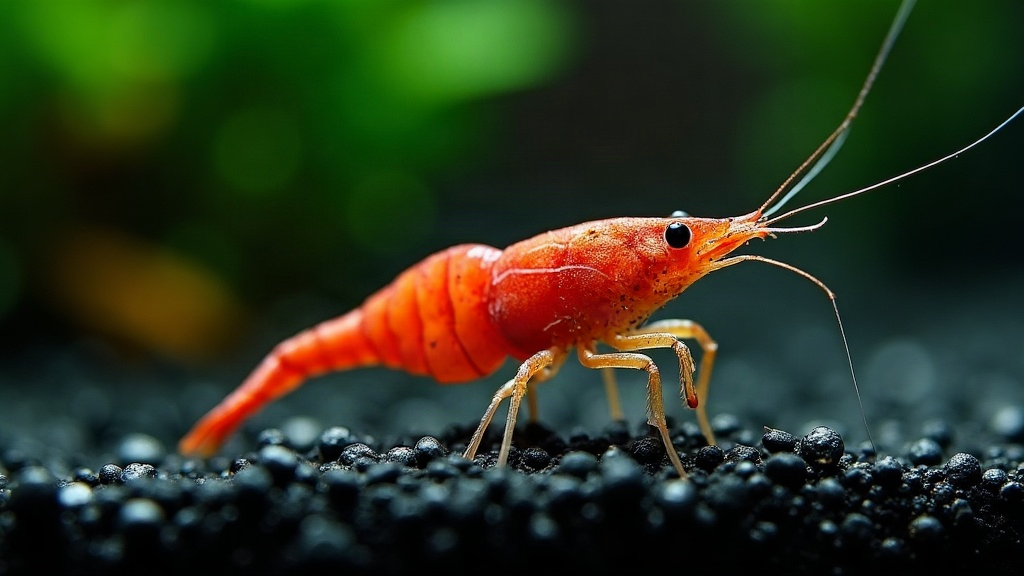
Many hobbyists switch to black substrate expecting it to make their cherry shrimp “pop,” only to watch them turn pale, cloudy, or nearly see-through instead. Frustrating, sure, but this color loss is usually acclimation stress, a molt cycle doing its thing, or a diet that’s missing something, not a permanent problem. Give it the right adjustments and most shrimp regain their vivid red within one to three weeks.
Why Substrate Changes Affect Shrimp Color
Cherry shrimp (Neocaridina davidi) build their pigment through a mix of genetics, diet, and environmental stability. Color in these animals isn’t a fixed trait, it shifts with lighting, background contrast, and stress levels, the same way certain fish darken or lighten depending on their surroundings.
1. Stress From the Substrate Switch Itself
Any big tank change, whether it’s new substrate, a rescape, or moving shrimp to a different tank, kicks off a stress response. Stressed shrimp often go pale or translucent as a defense mechanism. It’s the same reaction you’d see if a predator showed up or water parameters shifted too fast.
Common stress triggers during a substrate swap:
- Disturbed or unstable water parameters (pH, GH, KH swings)
- Substrate leaching tannins or altering water chemistry
- Physical disturbance from rescaping (netting, chasing shrimp around)
- New substrate dust clouding the water and irritating gills
2. Molting Cycle Coincidence
Cherry shrimp molt every 2-4 weeks. Right before and after a molt, they naturally look pale, washed-out, almost glassy, because the exoskeleton (where pigment lives) is being shed and rebuilt. If your substrate change happened to land near a molt, what you’re seeing might just be normal molting pallor, not an actual color problem.
3. New Substrate Chemistry
A lot of black substrates, especially active soil types, lower pH and soften water. That’s a good thing long-term, but it causes a temporary chemistry shock in the meantime. Sudden drops in pH or GH interfere with calcium uptake, and calcium matters for two things at once: exoskeleton strength and pigment retention.
4. Optical Illusion vs. Real Fading
Worth ruling out before you panic: sometimes shrimp aren’t losing pigment at all. A black background just makes pale or juvenile shrimp look washed out by contrast, while it makes darker shrimp pop even more. Compare your shrimp under the same lighting conditions before concluding you’ve got a real color loss issue on your hands.
How to Restore Cherry Shrimp Color
Stabilize Water Parameters
Test pH, GH, KH, and ammonia daily for the first week after any substrate change. Cherry shrimp do best within:
- pH: 6.5-8.0
- GH: 4-8 dGH
- KH: 1-4 dKH
- Temperature: 65-78°F (18-26°C)
Hold off on any other changes, new plants, new fish, filter swaps, until things settle.
Boost Calcium and Mineral Availability
Dull, weak color often traces back to poor mineralization. If your GH is running low, especially with a soft, acidic active substrate, add a shrimp-safe mineral supplement: crushed coral, cuttlebone, or a commercial remineralizer all work.
Improve Diet for Pigment Production
Carotenoid-rich foods feed red pigmentation directly:
- Shrimp-specific pellets containing astaxanthin or spirulina
- Blanched spinach or mulberry leaves
- Occasional paprika treats or shrimp-color-boosting supplements
Feed small amounts, 2-3 times a week is plenty. Overfeeding tanks water quality, and that just adds more stress-related fading on top of what you’re already dealing with.
Reduce Stress Sources
- Add extra hiding spots (moss, leaf litter, caves) so shrimp feel safe against that new dark backdrop
- Dim the lighting a bit while they adjust
- Skip the netting. Let them settle in undisturbed.
Give It Time
Most shrimp bounce back to full color within 1-3 weeks, molting through the stress period as they adapt to the new substrate. If color hasn’t returned after a full molt cycle, go back and check water parameters and diet again. Genetics can factor in too, particularly if your shrimp came from an already pale-strain breeder.
When to Worry
If persistent color loss shows up alongside lethargy, shrimp refusing food, or deaths during molting (the dreaded “white ring of death”), that’s not cosmetic anymore, that’s a real water quality or calcium deficiency problem. Test your water and get mineral supplementation going right away.
Conclusion
Color loss after a switch to black substrate is almost always temporary, driven by stress, molt timing, and mineral shifts rather than any lasting damage. Stabilize your water chemistry, supplement calcium, feed a pigment-rich diet, and give your colony a few weeks. Your cherry shrimp’s red should come back brighter than ever against that new dark backdrop.