Beginner's Guide to a Zero-Tech Walstad Bowl with Cherry Shrimp
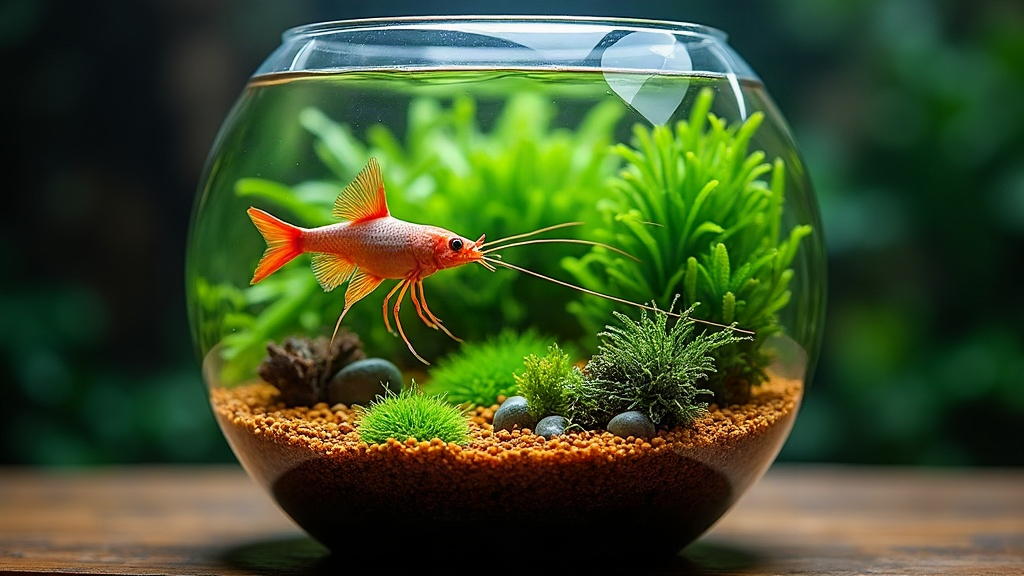
A zero-tech Walstad bowl is a self-sustaining mini-ecosystem built on soil, plants, and natural bacteria instead of filters, heaters, or air pumps. No hum of equipment, no tubing to hide, just a quiet little world on your shelf. If you’ve ever wanted a low-noise, low-maintenance aquatic setup that still looks genuinely beautiful on a desk, this guide walks you through building one from scratch.
What Is the Walstad Method?
Developed by botanist Diana Walstad, this method relies on a nutrient-rich soil substrate capped with sand or gravel to feed plant growth naturally. The plants soak up fish and shrimp waste as fertilizer, while photosynthesis handles oxygenation. What you end up with is a balanced, closed-loop system that doesn’t need a single mechanical filter.
Cherry shrimp (Neocaridina davidi) fit this setup almost perfectly. They:
- Produce very little bioload
- Thrive in stable, unfiltered water
- Clean biofilm and algae off plants and glass
- Breed readily once the tank settles in
What You’ll Need
- A glass bowl or low-footed vase (2–5 gallons works well; skip anything under 1 gallon)
- Organic, nutrient-rich potting soil (no added fertilizers, perlite, or chemicals)
- A capping layer of fine gravel or sand (1–1.5 inches)
- Slow-growing, hardy plants: java moss, anubias, java fern, or dwarf sagittaria
- Dechlorinated or aged tap water
- 5–10 cherry shrimp to start (resist the urge to buy more right away)
- Indirect natural light or a small desk lamp, 6-8 hours a day
Step-by-Step Setup
1. Layer the Substrate
Spread a thin layer, about 1 inch, of organic soil across the bottom of the bowl. Cap it with sand or fine gravel so the soil doesn’t cloud the water or float up every time you touch it.
2. Add Water Slowly
Pour dechlorinated water in gently, over a plate or the back of your hand, so you don’t blast the substrate into a muddy mess. Fill to about 75% for now.
3. Plant Densely
Add your plants right after filling, and don’t be shy about it. Dense planting from day one speeds up the nitrogen cycle and gives shrimp plenty of places to hide, graze, and feel safe doing both.
4. Cycle Before Adding Shrimp
Let the bowl run on its own for 3–4 weeks before any shrimp go in. During that stretch:
- Beneficial bacteria establish themselves
- The first algae bloom shows up and then settles down
- Ammonia and nitrite levels stabilize
If you want hard numbers, test with an API liquid kit. Honestly though, patience alone gets the job done for most people.
5. Introduce Shrimp Gradually
Drip acclimate your cherry shrimp over 20–30 minutes so they adjust to the bowl’s water chemistry before you release them. Rushing this step is how you lose half your colony on day one.
Ongoing Maintenance
This is where the method really earns its “zero-tech” label, there’s almost nothing to do:
- Water top-offs: Add fresh water weekly to cover evaporation. Never do a large water change, that’s not how this system works.
- Light control: Too much light means algae, fast. 6-8 hours a day is plenty.
- Feeding: A mature bowl usually feeds itself through biofilm. If you do add food, a sliver of blanched spinach or a few shrimp pellets once or twice a week is more than enough, and only if the shrimp seem to be running low on grazing material.
- Trimming: Pull dead leaves and trim back overgrown plants now and then so nothing rots in the substrate.
Common Mistakes to Avoid
- Overcrowding too soon. Start small. Ten shrimp can turn into forty within a few months.
- Using fertilized “aquarium” soil with chemical additives. Plain organic potting soil, nothing fancier.
- Skipping the cycling period. This is the number one cause of early shrimp die-offs, hands down.
- Overfeeding. Leftover food rots and spikes ammonia fast in a system with no filter to buffer the mistake.
Why This Setup Works So Well
With no filter current pushing water around, shrimp molt and graze at their own pace, and the planted substrate handles waste quietly in the background. Plenty of hobbyists keep colonies going for years on nothing more than weekly top-offs and the occasional trim.
Conclusion
A zero-tech Walstad bowl paired with cherry shrimp is one of the easiest ways to keep a genuinely living, thriving display with almost no ongoing effort. Get the soil right, plant it densely, and give the cycling period the full 3–4 weeks it deserves, and you’ll end up with a mini-ecosystem that basically runs itself. Sometimes the least equipment really does lead to the best results.