A First-Timer's Guide to Cycling a Shrimp Tank with Driftwood
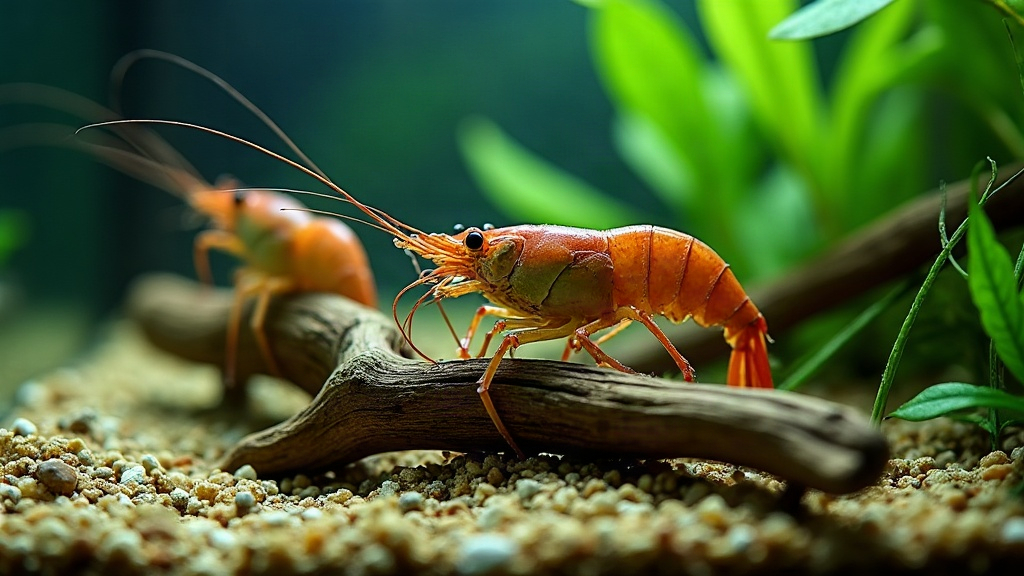
Cycling a shrimp tank with driftwood and leaf litter is the safest route to a stable, bacteria-rich setup before you drop in anything as delicate as Neocaridina or Caridina. This guide covers the whole process, from prepping your hardscape to figuring out when the tank is genuinely ready, so you can sidestep the mistake almost every beginner makes: adding shrimp way too early.
Why Shrimp Need a Fully Cycled Tank
Fish can shrug off a lot. Shrimp can’t. Dwarf shrimp are brutally sensitive to ammonia and nitrite, and even a short spike can wipe out a whole colony overnight. Cycling builds up colonies of nitrifying bacteria (Nitrosomonas and Nitrobacter) that turn toxic ammonia into nitrite, and then into nitrate, which is far more forgiving.
Driftwood and leaf litter aren’t just there to look nice in the tank. They’re doing real work:
- Giving bacteria surface area to colonize
- Releasing tannins that soften pH slightly and recreate a blackwater-style environment
- Supplying a steady snack (biofilm, decaying leaf matter) for shrimp to graze on
- Buffering parameters naturally, which takes some of the stress out of the cycling period
Step 1: Prepare Your Driftwood
Not every piece of driftwood is safe to toss in straight from the bag.
- Pick aquarium-safe wood. Malaysian driftwood, spiderwood, and manzanita are all solid choices.
- Soak or boil it. Several days of soaking works, or boil for 1-2 hours if you want to speed things up and knock out excess tannins while helping it sink.
- Don’t panic about mold. A white fuzzy film in week one is completely normal. It fades as biofilm takes over.
Step 2: Add Leaf Litter the Right Way
Indian almond leaves (Catappa), oak leaves, and guava leaves are the usual go-tos.
- Give the leaves a quick rinse to knock off dust.
- Start with 2-3 leaves per 5 gallons.
- Within a few days they’ll soften and sink, and that’s when shrimp start picking at the biofilm growing on them.
- Swap out decomposed leaves a few at a time, not all in one go, so you don’t shock the water parameters.
Step 3: Start the Nitrogen Cycle
Once the driftwood and leaves are settled in, you’ve got two main paths.
Fishless Cycling (Recommended)
Dose a pure ammonia source (no scent, no surfactants) to hit 2-3 ppm. Test daily with a liquid kit (the API Freshwater Master Test Kit holds up well here) and watch for this pattern:
- Ammonia falls to 0 within 24 hours
- Nitrite climbs, then eventually drops to 0 too
- Nitrate shows up, usually somewhere between 5-40 ppm
Expect this to take 4-6 weeks, give or take.
Seeded Cycling (Faster)
Borrow a chunk of mature filter media, some substrate, or a piece of driftwood from a healthy, established tank. Because the bacteria are already established, this can shrink the timeline down to 2-3 weeks.
Step 4: Monitor Water Parameters
Test weekly at first, then daily once you sense you’re getting close.
- Ammonia: trending toward 0
- Nitrite: trending toward 0
- Nitrate: present, but keep it under 20 ppm with regular water changes
- pH: most shrimp do best somewhere between 6.5-7.5, depending on species
- GH/KH: critical for molting. Low GH is one of the most common reasons shrimp get stuck mid-molt
Step 5: Know When It’s Safe to Add Shrimp
Your tank is ready when:
- Ammonia and nitrite both hold steady at 0 ppm for at least a week
- Nitrates are present but under control
- You can actually see biofilm forming on the wood and leaves
- The tank has been running stable for at least 4 weeks total
And even then, drip acclimate your shrimp over 1-2 hours when you introduce them. A fully cycled tank still has its own water chemistry, and a sudden change from the bag to the tank can be just as deadly as an incomplete cycle.
Common Mistakes to Avoid
- Adding shrimp early because the water “looks clean” (clear water means nothing about ammonia levels)
- Using scented or additive-heavy ammonia for fishless cycling
- Yanking out all the leaf litter at once, which crashes both the bacteria and the food supply
- Skipping tests and just guessing based on how things look
Conclusion
Cycling a shrimp tank with driftwood and leaf litter isn’t dead time spent waiting around. It’s the process of building a tiny, functioning ecosystem your shrimp can actually live in. The patience pays off: fewer losses, cleaner molts, and a colony that breeds instead of one that’s barely hanging on. Keep testing, don’t rush it, and let the wood, the leaves, and the bacteria do most of the real work.