Preventing Hair Algae on Driftwood When Introducing Livestock
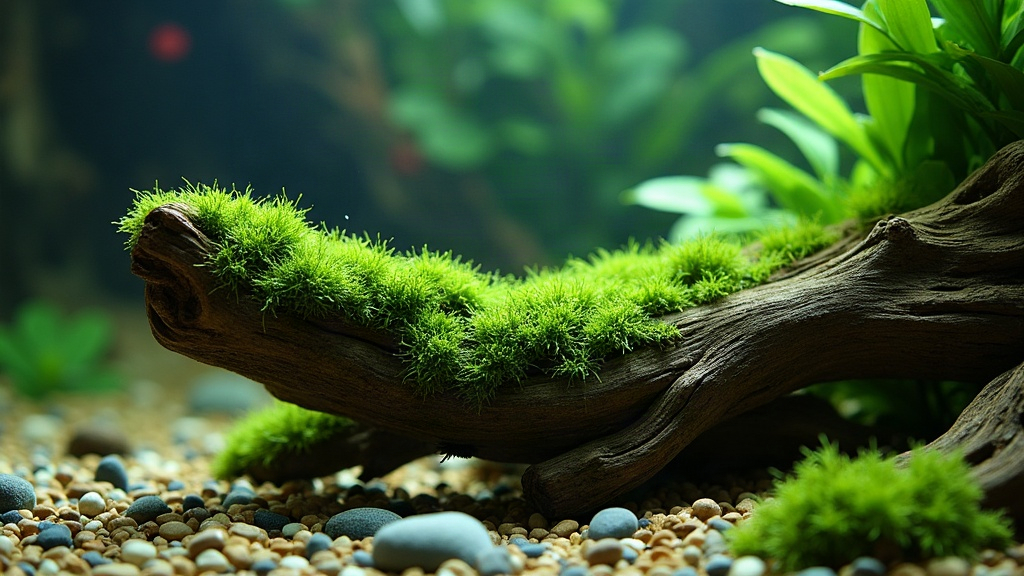
Hair algae has a thing for brand-new driftwood, and it’s not a coincidence. The moment you drop fresh wood into a tank and add livestock, you’ve basically rolled out the red carpet: nutrients spike, light hits the water, and bioload climbs, all at once. The fix isn’t complicated, though. Cure the wood properly, stagger your livestock, and keep a tight leash on nutrients for the first few weeks, and you can sidestep hair algae almost entirely instead of scrubbing it off rocks for months.
Why Hair Algae Targets New Driftwood
Driftwood isn’t just a decoration sitting there doing nothing. Fresh pieces leach tannins, organic compounds, sometimes even starches or sugars as the wood slowly breaks down in water. Now pair that with a tank still cycling (ammonia and nitrite converting to nitrate) plus a lighting schedule that’s too generous too soon, and you’ve built a five-star buffet for fast-growing filamentous algae: Oedogonium (classic hair algae) or its tougher cousin, thread algae.
Toss fish or shrimp into the mix at this exact moment and things get worse fast:
- New livestock means new waste, which pushes ammonia and phosphate levels up.
- Feeding adds nutrients that plants and biofilm haven’t matured enough to absorb yet.
- Owners often crank up the light duration to “help” new fish settle in, not realizing that’s basically fertilizer for algae.
Step 1: Cure the Driftwood Properly Before Adding It
Never, ever drop raw, dry driftwood straight into a stocked tank. I’ve seen people skip this and regret it within a week.
- Soak it for 1 to 4 weeks in a separate bucket, changing the water every 2-3 days until it stops bleeding that dark tannin color.
- Boil smaller pieces for 30-60 minutes. This kills off organic residue, releases trapped air pockets, and speeds up the waterlogging process.
- Scrub the surface with a stiff brush under running water to strip away loose fibers and dust, the exact stuff algae spores love to grab onto.
- Before it goes in the main tank, check that it sinks on its own and that the water runs reasonably clear.
Skip this step and you’re almost guaranteeing a hair algae bloom on that new wood. It’s the number one cause, hands down.
Step 2: Let the Tank Cycle Fully Before Stocking
Hair algae feeds on ammonia and nitrite spikes like it’s nothing. So before any fish or shrimp go in:
- Make sure ammonia and nitrite read 0 ppm consistently for at least 3-5 days straight.
- Keep nitrates under 20 ppm with regular water changes.
- Don’t add driftwood and livestock on the same day. Put the wood in first, give the biofilm and bacteria a week to settle, then bring in fish or shrimp gradually.
Step 3: Control Light During the Transition Period
- Cap lighting at 6-8 hours a day for the first 2-3 weeks. No more.
- Keep the tank out of direct sunlight, even the indirect kind sneaking through a window.
- Running a timer? Dim the intensity instead of blasting full-spectrum output right out of the gate.
Hair algae needs both light and nutrients to take off. Pull either one away and growth slows down dramatically, sometimes almost to a stop.
Step 4: Introduce Livestock Gradually
- Start with just a few fish or a small shrimp group, not your entire planned stock all at once.
- Feed sparingly: once a day, only what gets eaten in 1-2 minutes, until the tank’s nutrient load settles down.
- Space out new additions by 1-2 weeks so bacteria and biofilm have time to catch up.
Step 5: Build a Biological Buffer
- Plant fast growers (Anubias, Java fern, hornwort, floating plants) right alongside the driftwood. They go head-to-head with algae for nitrates and phosphates, and they usually win if given a head start.
- Bring in your cleanup crew early: Amano shrimp, nerite snails, or otocinclus, depending on what fits your stocking plan. They’ll graze on those early hair algae strands before the stuff even gets a chance to anchor down.
If Hair Algae Already Appeared
- Pull visible strands out by hand, using a toothbrush or just twirling them out with a fork (sounds odd, works great).
- Cut back on feeding and do a 30-50% water change to lower the nutrient load fast.
- If the infestation’s bad, try a 3-day blackout: cover the tank completely, no light at all. This starves the algae without hurting most fish or shrimp.
- A short-term dose of liquid carbon (glutaraldehyde-based products, for instance) applied directly on the strands can help too. Just stick to the label dosing for your tank size.
Conclusion
Hair algae showing up on driftwood isn’t bad luck. It’s a predictable outcome of uncured wood, an incomplete cycle, too much light too soon, and overfeeding right when livestock goes in. Cure your driftwood properly, let the cycle finish, keep the lights dim early on, stock slowly, and get plants and grazers in from day one. Follow that sequence and most tanks never deal with a real hair algae outbreak at all.