Moving a Planted Aquarium Upstairs Without Unseating Hardscape
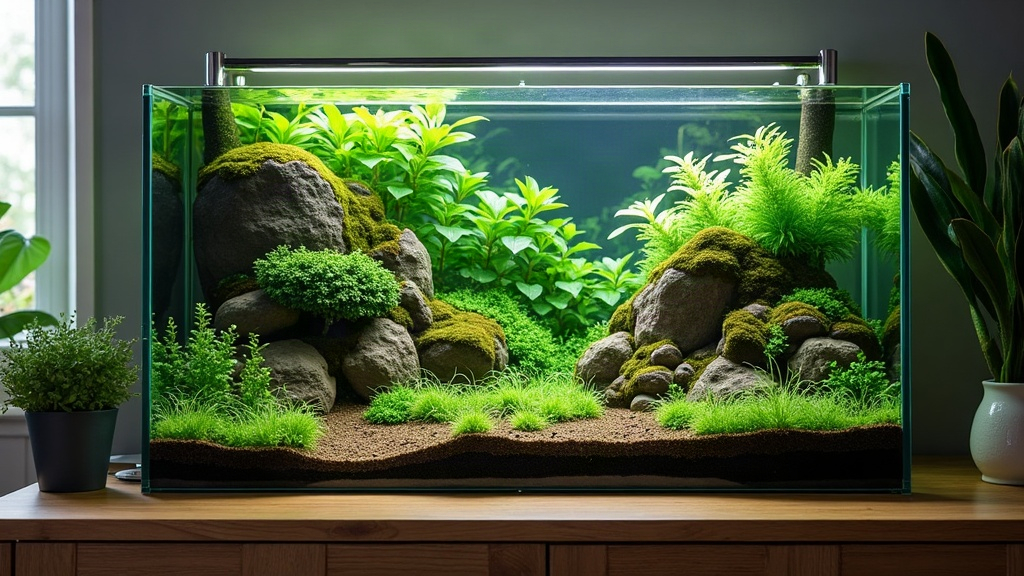
Moving a planted aquarium upstairs without unseating the hardscape is entirely possible, as long as you drain strategically, stabilize the layout before transport, and carry the tank level and low to the ground. The biggest risk isn’t the glass breaking. It’s water shifting mid-carry and knocking your carefully placed rocks, driftwood, and substrate slopes out of position. This guide walks through a method that’s worked for hobbyists relocating everything from 20-gallon nano scapes to 75-gallon Iwagumi layouts.
Why Hardscape Moves Even When You’re Careful
Rocks and wood look stable when submerged because water pressure and substrate friction hold them in place. The moment you tilt the tank, drain water unevenly, or let momentum swing the aquarium during a carry, that friction disappears. Even a half-inch shift at the base of a rock can collapse a carefully built slope or expose buried anchor points you spent an afternoon burying.
Common triggers for hardscape collapse during a move:
- Draining too fast, which causes suction and turbulence near the substrate
- Tilting the tank on stairs instead of keeping it level
- Setting the tank down hard at landings
- Vibration from uneven walking pace or bumping walls
Step 1: Photograph and Map the Layout First
Before touching anything, take overhead and multiple side-angle photos of the aquascape. Grab at least four angles, more if the layout is dense. If a rock does shift, you’ll want a precise reference to rebuild the exact composition. This matters a lot for competition-style layouts or long-term aged hardscape with established biofilm and moss growth that took months to fill in.
Step 2: Secure the Hardscape Before Draining
Don’t just drain and hope. Stabilize first:
- Inject aquascaping glue or epoxy at key stress points if the layout is permanent (reversible with care, but adds real security for a one-time move).
- Wedge foam blocks or pool noodle cuttings gently against tall stones or top-heavy wood to prevent tipping once water buoyancy is gone.
- Mark rock positions on the glass with a washable marker or a strip of masking tape, so even a quarter-inch shift is immediately visible.
For heavily rooted plants (Anubias tied to wood, Vallisneria anchoring substrate), trim excess growth beforehand. Less mass means less leverage pulling on hardscape during transit.
Step 3: Drain Slowly and in Stages
Never siphon aggressively near the substrate. Instead:
- Remove livestock and place them in insulated, oxygenated transport bags or buckets.
- Drain the top 60-70% of water slowly, using a siphon aimed away from the hardscape.
- Leave 2-3 inches of water covering the substrate. This keeps pressure even and prevents dry-shift collapse, where dried sand or gravel suddenly loses cohesion and slides.
- If you’re moving a heavily planted tank, keep substrate damp but never bone dry. Dry substrate crumbles and shifts far more than moist substrate does.
Step 4: Transport the Tank Level and Low
Once drained to a safe level:
- Carry the tank with two people minimum, gripping the base frame, never the rim.
- Keep the tank perfectly level at all times, especially on stairs. Tilt it even 10-15 degrees and the remaining water will slosh straight against one side of the hardscape.
- Move slowly, one stair at a time, calling out each step (“down,” “landing,” “turn”).
- Avoid twisting motions on stair turns. Pivot your whole body, not just the tank.
Step 5: Reposition and Refill Gradually
Once upstairs:
- Place the tank on its permanent, pre-leveled stand.
- Refill slowly using a hose or pitcher aimed at the tank wall, not directly onto substrate or hardscape. This keeps new-water turbulence from undoing everything the careful move just protected.
- Compare against your reference photos and nudge any shifted stones back into place while the water’s still shallow and visibility is clear.
- Reintroduce plants, then livestock, only after temperature and parameters stabilize (usually 30-60 minutes).
Extra Tips for Larger Tanks (40+ Gallons)
- Consider a two-stage move: drain fully, transport the empty tank and hardscape separately in labeled containers, then rebuild upstairs from your photos. This eliminates shift risk entirely, though it takes more time and, frankly, more patience.
- Rent a stair-rated hand truck or moving straps for tanks over 50 gallons. Bare-handed carries increase both breakage and hardscape-shift risk, and your back will thank you too.
Conclusion
Moving a planted aquarium upstairs without unseating the hardscape comes down to three habits: document your layout before you start, stabilize rocks and wood before draining, and keep the tank level and slow throughout the carry. Do a partial drain, use careful stair technique, and refill gently, and your aquascape can survive the move looking exactly as it did before. No rebuild required.