Keeping Stiphodon Gobies Well-Fed in a Hillstream Paludarium
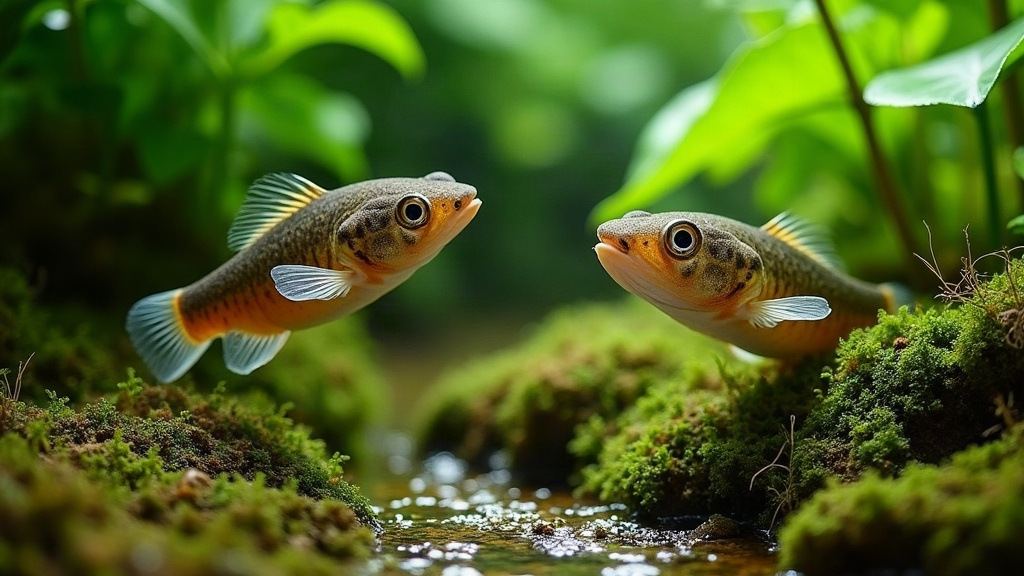
Keeping Stiphodon gobies well-fed in a river manifold hillstream paludarium really comes down to one thing: these fish graze, they don’t scavenge. Your tank needs a constant carpet of algae and biofilm on tap, not a pinch of flakes dropped in once or twice a day and called good.
Why Stiphodon Gobies Are Different
Stiphodon gobies (sold under names like neon gobies, sunset gobies, or “CRS gobies”) are amphidromous freshwater fish from fast-flowing streams across Southeast Asia and the Pacific islands. In the wild they spend almost every waking hour scraping rocks with those specialized sucker-mouths, picking off algae and microorganisms bit by bit. Their gut is built for small, near-continuous meals of plant matter and biofilm. It’s not designed to process protein-heavy pellets the way a cichlid’s is.
That’s exactly why a hillstream paludarium with a river manifold (a plumbing setup that recirculates water over a sloped, rocky substrate to mimic a stream) suits them so well. But the setup only works if you manage the biological “food layer” properly. Skip that step and you’ve basically built a very pretty fish trap.
Building a Grazing Surface First
Before you even think about adding gobies, get the food source growing:
- Cure the hardscape. Let rocks and driftwood sit under strong lighting for 4-6 weeks before any fish go in. This gives a natural biofilm and diatom layer time to establish itself.
- Use rough, porous rocks. Lava rock, seiryu stone, unglazed ceramic tiles: these hold algae and biofilm far better than smooth river pebbles, which fish tend to slide right past.
- Run lights 8-10 hours a day. Moderate to strong lighting pushes diatom and green algae growth, which is basically their wild diet in a bottle.
- Don’t chase a spotless tank. A lot of keepers accidentally starve their gobies by scrubbing everything too clean. A light green-brown film on the rocks isn’t grime, it’s dinner.
Supplemental Feeding Strategies
Even a well-established biofilm layer usually can’t feed a whole group of Stiphodon long-term, especially in smaller paludariums. So supplement with:
- Crushed algae wafers. Whole wafers are too big and just sit there; crush them into fine crumbs so the current spreads them across the rockwork where gobies can peck.
- Spirulina powder or flakes. A pinch sprinkled right into the strongest flow will drift and settle across the rocks like natural detritus.
- Repashy gel foods (Soilent Green or Grub Pie). Spread a thin layer directly onto rocks. Gobies will treat it exactly like biofilm and graze it down.
- Blanched vegetables. A clip of zucchini or spinach near the current gives them something to work on for hours.
Feed small amounts 2-3 times a day rather than one big meal. This mirrors how they’d graze constantly in nature, and it keeps uneaten protein-rich scraps from fouling the water.
Managing the River Manifold for Feeding Success
The manifold’s constant flow is a bit of a double-edged sword. It delivers oxygen and keeps the stream illusion going, but it’ll also wash food away before your gobies get a bite.
- Target feeding zones. Feed onto rockwork sitting in slower eddies near the manifold outlets, not straight into the main current.
- Pause the pumps for feeding, 5-10 minutes is plenty, especially with powder-based foods. Then restart so debris doesn’t pile up.
- Watch for fry, but don’t expect much. Stiphodon larvae are planktonic and generally won’t survive in a freshwater setup without a marine larval-rearing phase somewhere in the mix. Natural breeding success in a standard paludarium is basically a non-starter.
Signs of Malnutrition to Watch For
- Sunken bellies or a visibly thin profile
- Reduced activity, or fish hiding away from the rockwork instead of grazing on it
- Faded color, especially noticeable in males losing their blue or orange breeding hues
- Aggressive scrapping over feeding spots, which usually means there’s not enough grazing surface to go around
Seeing any of this? Bump up the algae wafer crumbs, add more light hours, or throw in extra textured surfaces like ceramic tiles to expand the grazing real estate.
Stocking and Feeding Ratios
A decent rule of thumb: one Stiphodon per 10-15 gallons of active grazing surface, not total water volume. These fish care about how much rock they can work, not how much room they have to swim. Overstocking, plain and simple, is the number one cause of starvation in these gobies, even in tanks that otherwise look immaculate.
Conclusion
Keeping Stiphodon gobies well-fed in a hillstream paludarium is less about “feeding time” and more about running a small food ecosystem. Grow biofilm and algae on rough, well-lit rockwork first. Supplement with crushed algae wafers and gel foods tucked into calm eddies near the manifold. Keep an eye on body condition so you catch problems early. Nail the grazing surface, and these little gobies, genuinely some of the most striking fish you can keep, will show natural behavior and vivid color for years to come.